
Tour Type
Day Trip
Tour Duration
1 Day
Min. No of Pax
1
Tour Price
Budget
On request
Mid-range
On request
Luxury
On request
The Price Includes
- Transportation in a 4×4 safari vehicle
- Hotel pickup and drop off in Arusha as agreed
- Professional English speaking safari driver guide
- Lake Manyara National Park entrance fees
- Safari vehicle park fees
- Full day game drive
- Picnic lunch
- Drinking water
- Applicable government taxes
- Safari coordination by Tansania Toll Safaris
The Price Excludes
- International and domestic flights
- Tanzania visa fees
- Travel and medical insurance
- Accommodation before or after the safari
- Airport transfers unless specifically included
- Alcoholic beverages and soft drinks
- Personal expenses
- Souvenirs
- Tips and gratuities
- Mto wa Mbu cultural activities unless included
- Cycling or other optional experiences
- Additional meals not mentioned
- Professional photography equipment
- Emergency medical expenses
- Any activity not listed under the confirmed inclusions
Tour Overview
Discover one of northern Tanzania’s most scenic and ecologically diverse safari destinations on a 1 Day Lake Manyara National Park Safari from Arusha with Tansania Toll Safaris. Nestled beneath the dramatic escarpment of the Great Rift Valley, Lake Manyara National Park combines groundwater forest, open grassland, acacia woodland, wetlands, hot springs and the broad alkaline lake that gives the park its name.
Although relatively compact compared with Serengeti or Tarangire, Lake Manyara National Park offers an impressive variety of landscapes within a short distance. This makes it particularly rewarding for travellers who want to experience several different habitats in one day.
The park is known for elephants, giraffes, buffaloes, zebras, wildebeest, hippos, baboons and numerous antelope species, while lions are also present and are historically associated with the park’s famous tree climbing behaviour. Wildlife sightings remain natural and unpredictable, making every game drive different.
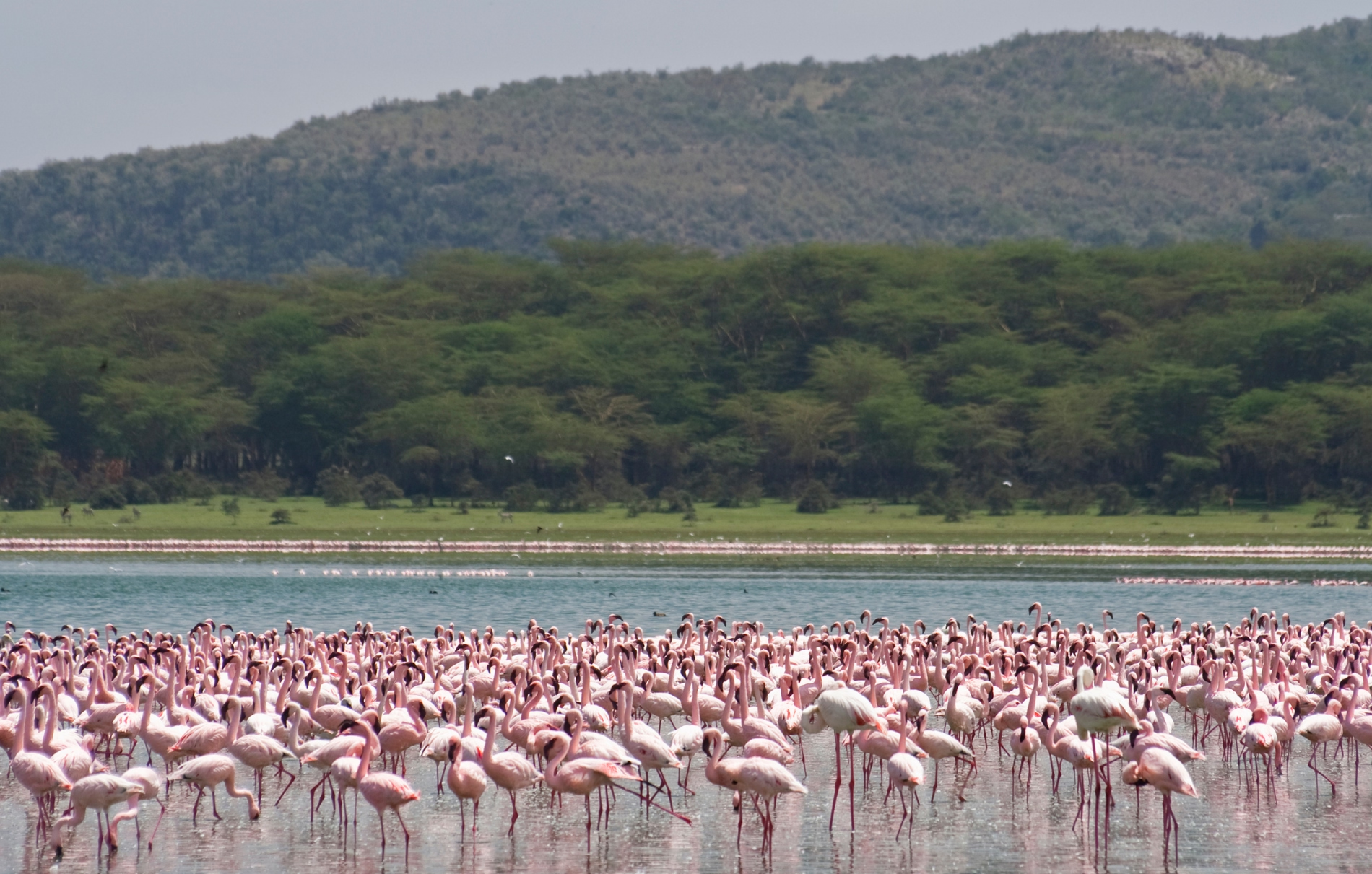
Lake Manyara is also one of northern Tanzania’s most attractive destinations for birdwatching. Its lake shore, wetlands and forest support hundreds of bird species, while flamingos may appear in varying numbers depending on water levels, food availability and seasonal conditions.
The scenery is equally memorable. The steep wall of the Great Rift Valley escarpment rises dramatically beside the park, while the lake stretches across the valley floor. In wetter periods, forests and grasslands become intensely green, creating beautiful conditions for photography.
Your journey begins in Arusha, Tanzania, followed by a drive toward the Manyara region and Mto wa Mbu. Once inside the national park, your guide explores the forest, open plains, lake shore areas and other productive habitats in search of wildlife.
This Lake Manyara day trip from Arusha is ideal for first time safari travellers, birdwatchers, photographers, families and guests who want an accessible wildlife experience before or after visiting Tarangire, Ngorongoro or Serengeti.
With Tansania Toll Safaris, you can leave Arusha in the morning, spend the day exploring one of the Rift Valley’s most beautiful national parks, and return in the evening with memorable wildlife and landscape experiences.
Lake Manyara National Park Day Trip Highlights
- Explore Lake Manyara National Park
- Experience the dramatic Great Rift Valley escarpment
- Search for elephants, giraffes and buffaloes
- Look for the park’s famous tree climbing lions
- See troops of baboons and other primates
- Visit lake shore and wetland habitats
- Look for flamingos when seasonal conditions are suitable
- Enjoy excellent birdwatching
- Explore groundwater forest and open grasslands
- Photograph beautiful Rift Valley landscapes
- Enjoy a picnic lunch inside or near the park
- Experience one of the best day safaris from Arusha
Day To day
Your Lake Manyara National Park day safari begins in the morning when your professional Tansania Toll Safaris safari driver guide collects you from your hotel or agreed location in Arusha.
Lake Manyara National Park is approximately 120 to 130 kilometres from Arusha, depending on your pickup point and route. The drive normally takes around 2 to 2.5 hours, passing through northern Tanzania’s rural landscapes before reaching the Great Rift Valley.
As you travel west from Arusha, you pass villages, farms and open countryside before approaching the lively town of Mto wa Mbu. The impressive Rift Valley escarpment gradually becomes visible, creating a dramatic backdrop to the landscape.
After completing entrance procedures, you enter the park and begin your game drive through the lush groundwater forest. The cool forest environment is particularly attractive for primates, birds and elephants.
As your safari continues, the vegetation opens into grassland, woodland and wetland habitats. Your guide searches for elephants, giraffes, buffaloes, zebras, wildebeest, hippos, baboons and antelopes, while also watching for predators.
Around midday, you stop for a picnic lunch before continuing the afternoon game drive. Depending on road conditions and wildlife movements, your route may include areas close to the lake shore, marshes and open plains.
During the late afternoon, you leave the park and begin the return journey to Arusha, arriving in the evening.
Major Activities During the Day
- Safari game drive
- Wildlife viewing
- Elephant watching
- Primate observation
- Birdwatching
- Flamingo viewing when present
- Wildlife photography
- Great Rift Valley photography
- Lake shore exploration
- Picnic lunch
Groundwater Forest
One of the most distinctive environments in Lake Manyara National Park is its lush groundwater forest.
Fed by underground water flowing from the Rift Valley highlands, this forest supports large fig trees, mahogany, palms and other dense vegetation.
It provides habitat for elephants, monkeys, baboons and numerous birds, creating a completely different safari environment from the open plains found in many Tanzanian national parks.
Wildlife of Lake Manyara
Despite its relatively compact size, Lake Manyara supports a broad range of wildlife.
Animals you may encounter include:
- African elephants
- Giraffes
- African buffaloes
- Zebras
- Wildebeest
- Hippos
- Baboons
- Blue monkeys
- Warthogs
- Impala
- Waterbucks
- Bushbucks
- Lions
Wildlife sightings depend on natural movement, weather and seasonal conditions.
Tree Climbing Lions
Lake Manyara has long been associated with tree climbing lions, one of the park’s most famous safari stories.
Lions can sometimes be seen resting on horizontal branches or within trees, although such sightings should never be guaranteed.
Your safari guide will search known lion habitats while also looking for tracks, prey behaviour and other signs of predator activity.
Elephants of Lake Manyara
Elephants are among the park’s most memorable animals.
They can often be encountered in the forest, woodland or open areas, sometimes appearing surprisingly close to the safari roads.
The dense greenery of Lake Manyara creates a beautiful setting for elephant photography, particularly during the wetter months.
Baboons and Primates
Lake Manyara is especially well known for its large troops of olive baboons.
These social primates can often be seen along roads, inside forested areas and near open ground.
Blue monkeys also occur in the park, making Lake Manyara a rewarding destination for travellers interested in primate behaviour.
Lake Manyara
The alkaline Lake Manyara forms the dominant geographical feature of the park.
Its size and shoreline change according to rainfall and seasonal water levels, influencing both wildlife distribution and birdlife.
The lake’s open setting beneath the Rift Valley escarpment creates beautiful panoramic views and some of the park’s strongest landscape photography opportunities.
Flamingos and Waterbirds
Lake Manyara is famous for its birdlife, including flamingos that may gather around the alkaline lake when ecological conditions are suitable.
Their numbers can vary significantly, so large concentrations should not be guaranteed on every visit.
Other waterbirds can include pelicans, storks, herons, egrets, ducks and many additional species.
Birdwatching in Lake Manyara National Park
The park is an excellent destination for birdwatching in northern Tanzania because of its diverse habitats.
Possible sightings may include:
- Flamingos
- Pelicans
- Storks
- Hornbills
- Kingfishers
- Herons
- Egrets
- Eagles
- Vultures
- Bee eaters
- Weaver birds
- Numerous forest and wetland species
Binoculars are highly recommended for bird enthusiasts.
Hippo Pools and Wetlands
Wetland areas within the park provide important habitat for hippopotamuses and waterbirds.
Hippos can often be observed resting in water during daylight hours, while surrounding marshes may attract buffaloes, birds and other animals.
These wetland environments provide a useful contrast to the forest and open plains explored elsewhere in the park.
Great Rift Valley Scenery
One of the defining features of Lake Manyara is its position beneath the Great Rift Valley escarpment.
The steep escarpment rises dramatically above the park and creates an impressive natural boundary along the valley floor.
This combination of towering cliffs, green forest and alkaline lake makes Lake Manyara one of northern Tanzania’s most scenic safari destinations.
Picnic Lunch
Around midday, your guide stops at a designated picnic area for lunch.
This gives you time to rest, enjoy your packed meal and absorb the natural surroundings before continuing the afternoon safari.
After lunch, your guide explores additional parts of the park based on recent wildlife movements and road conditions.
Afternoon Game Drive
The afternoon game drive gives you another opportunity to search for wildlife not encountered during the morning.
Your guide may revisit productive areas or explore different habitats in search of elephants, lions, giraffes and other animals.
Photography conditions often change through the afternoon as sunlight moves across the Rift Valley landscape.
Extra Activities
Additional experiences may be arranged depending on your wider itinerary and available time.
- Mto wa Mbu Cultural Tour
Explore local life, farms, markets and cultural diversity around Mto wa Mbu.
- Local Food Experience
Enjoy a traditional Tanzanian meal as part of an extended cultural program.
- Village Cycling
Explore selected areas around Mto wa Mbu by bicycle when arranged in advance.
- Birdwatching Focus
Dedicate more time to the park’s impressive birdlife.
- Wildlife Photography
Spend additional time photographing elephants, primates and landscapes.
- Rift Valley Viewpoint
Stop at selected viewpoints for panoramic photography.
- Tarangire Extension
Combine Lake Manyara with Tarangire in a longer safari itinerary.
- Ngorongoro Extension
Continue toward Karatu and Ngorongoro for a multi day northern Tanzania safari.
Approximate Day Trip Schedule
- 07:00 Pickup from your hotel in Arusha
- 07:00 to 09:30 Drive toward Lake Manyara National Park
- 09:30 to 12:30 Morning game drive
- 12:30 to 13:30 Picnic lunch
- 13:30 to 15:30 Afternoon game drive
- 15:30 to 16:00 Final wildlife viewing and park exit
- 16:00 to 18:30 Return journey to Arusha
Times are approximate and may change according to traffic, wildlife sightings, road conditions and park procedures.
Lake Manyara National Park Quick Facts
Destination: Lake Manyara National Park
Region: Manyara Region, Northern Tanzania
Approximate Park Area: About 330 square kilometres including the lake area, with the dry land area varying according to water levels
Distance from Arusha: Approximately 120 to 130 kilometres
Driving Time: Approximately 2 to 2.5 hours
Major Landscape: Great Rift Valley
Main Habitats: Groundwater forest, grassland, wetland, woodland and alkaline lake
Signature Wildlife: Elephants, baboons, hippos and diverse birdlife
Famous Feature: Tree climbing lions
Main Activity: Safari game drive
Recommended Duration: Full day
Tour Operator: Tansania Toll Safaris
Why Visit Lake Manyara National Park?
Lake Manyara offers remarkable ecological variety within a relatively compact national park.
In one day, you can move from dense groundwater forest to grasslands, wetlands and lake shore landscapes, creating a safari that feels constantly changing.
The park is particularly rewarding for travellers interested in elephants, primates, birdlife, scenic landscapes and photography.
Its convenient location also makes it an excellent introduction to northern Tanzania’s safari circuit.
Best Time to Visit Lake Manyara National Park
Lake Manyara can be visited throughout the year.
The drier months generally provide easier wildlife viewing because vegetation can become thinner and animals may gather around dependable water sources.
The green season creates lush forests, dramatic clouds and excellent birdlife, making the park especially attractive for landscape photography.
Because the lake and surrounding habitats change with rainfall, every season creates a slightly different safari experience.
Lake Manyara During the Dry Season
During drier periods, roads are generally easier to navigate and wildlife can be more visible in open habitats.
Elephants, buffaloes, giraffes and other animals may gather around remaining water and productive feeding areas.
The dry season is particularly suitable for travellers whose main priority is traditional game viewing.
Lake Manyara During the Green Season
Rainfall transforms the park into a rich green landscape.
Forests become particularly lush, birdlife is rewarding and the Rift Valley scenery can be spectacular.
The greener environment also provides beautiful backgrounds for wildlife photography.
What to Bring
- Comfortable safari clothing
- Hat or cap
- Sunscreen
- Sunglasses
- Camera or smartphone
- Binoculars
- Light jacket for the morning
- Light rain jacket
- Small backpack
- Refillable water bottle
- Personal medication
- Insect repellent
- Spare camera battery or power bank
- Cash for tips and personal purchases
Your Tanzania Adventure Is Closer Than You Think
Let Us Create Your Perfect Tanzania Safari
Your dream of exploring Tanzania can begin with one simple conversation. Tell us when you would like to travel, how many people will join you and the experiences you hope to enjoy. Our safari specialists will prepare a personalized Tanzania travel proposal based on your interests, preferred accommodation, travel duration and budget. Whether you are planning a Serengeti wildlife safari, a Kilimanjaro climbing adventure, a romantic honeymoon, a family holiday or a complete Tanzania safari and Zanzibar beach experience, we are ready to guide you through every step of the planning process. Contact Tansania Toll Safaris today and begin creating a journey filled with wildlife, discovery, comfort and unforgettable African moments.
Read Reviews

Follow us
- Tansania Toll Safaris
- @tansaniatollsafaris
- Tansania Toll Safaris
- +255 765 148 724
- +255 765 148 724
- sales@tansaniatoll-safaris.de
- Arusha, Tanzania
We Accept