
Mount Kilimanjaro National Park
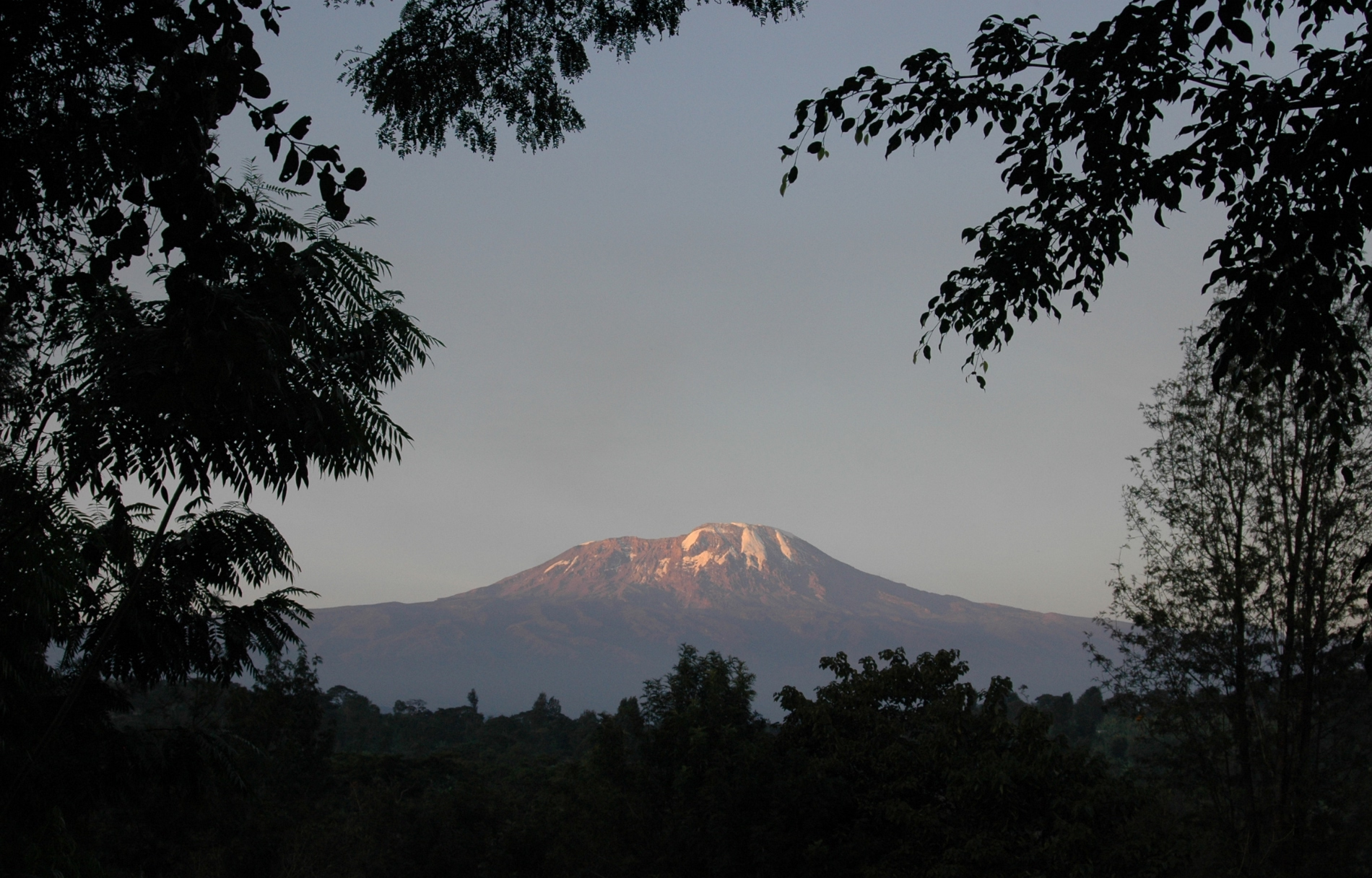
Mount Kilimanjaro National Park is one of Tanzania’s most celebrated natural attractions and home to Mount Kilimanjaro, the highest mountain in Africa and the world’s tallest free standing mountain. Rising dramatically from the plains of northern Tanzania to approximately 5,895 metres above sea level, Kilimanjaro has become an international symbol of adventure, endurance and natural beauty.
Located in northern Tanzania near the town of Moshi, the park attracts travellers from around the world searching for Mount Kilimanjaro trekking tours, Tanzania mountain climbing adventures, African hiking holidays, Kilimanjaro safari extensions and unforgettable outdoor experiences.
Unlike many African national parks that are primarily associated with wildlife game drives, Mount Kilimanjaro National Park is best known for its extraordinary mountain landscapes. Climbers journey through changing ecological zones that range from cultivated foothills and lush rainforest to heathland, alpine desert and finally the dramatic ice covered summit environment.
For travellers seeking one of Africa’s most rewarding physical and emotional adventures, climbing Mount Kilimanjaro in Tanzania offers an experience that combines scenery, personal achievement, cultural encounters and some of the most spectacular high altitude landscapes on the continent.
With Tansania Toll Safaris, travellers can experience carefully planned Kilimanjaro climbing adventures while also combining their mountain journey with wildlife safaris, cultural tours and relaxing Zanzibar beach holidays.
History of Mount Kilimanjaro National Park
Mount Kilimanjaro has occupied an important place in the history, culture and traditions of communities living around its fertile slopes for generations. The mountain is closely connected with the Chagga people, whose communities developed around Kilimanjaro because of the region’s productive volcanic soils, reliable rainfall and favourable agricultural conditions.
For centuries, the snow covered summit fascinated travellers and explorers. Early reports describing a snow capped mountain close to the equator were once considered unbelievable by outsiders, but subsequent expeditions confirmed the existence of Kilimanjaro’s remarkable high altitude environment.
Over time, Kilimanjaro became increasingly recognised for its ecological, scientific and tourism importance. Conservation measures were gradually introduced to protect the mountain’s forests, wildlife habitats, water catchment areas and unique alpine ecosystems.
Today, Mount Kilimanjaro National Park protects one of Tanzania’s most internationally recognised landscapes and has developed into one of Africa’s leading trekking destinations.
The mountain continues to attract:
- Adventure travellers seeking the Kilimanjaro summit experience
- Hikers searching for world famous African trekking routes
- Nature lovers interested in unique mountain ecosystems
- Photographers attracted by dramatic landscapes and changing vegetation zones
- Travellers combining Kilimanjaro climbing and Tanzania safari holidays
- Visitors interested in Chagga culture and communities around Moshi
For many travellers, reaching Uhuru Peak, the highest point on Kilimanjaro, becomes one of the greatest personal achievements of their lifetime.
Geography Size and Ecology of Mount Kilimanjaro National Park
Mount Kilimanjaro National Park covers approximately 1,688 square kilometres and protects Mount Kilimanjaro together with its surrounding forests, moorlands, alpine environments and important ecological systems.
Kilimanjaro is a massive volcanic formation consisting of three major volcanic cones known as Kibo, Mawenzi and Shira.
Kibo is the highest and most famous cone and contains Uhuru Peak.
Mawenzi is recognised by its rugged and dramatic rocky summit.
Shira is the oldest volcanic formation and has been heavily eroded over time.
One of the most fascinating aspects of climbing Kilimanjaro is the opportunity to experience several ecological zones within a relatively short period.
Cultivated Foothills
The lower slopes surrounding the park contain farms and villages where crops such as coffee, bananas and vegetables are grown. These productive areas are closely associated with Chagga communities and provide an interesting cultural introduction to the Kilimanjaro region.
Montane Rainforest
The rainforest zone is characterised by thick vegetation, tall trees, mosses, ferns and relatively high rainfall. Wildlife sightings may include blue monkeys, colobus monkeys, bushbuck and various bird species.
Heath and Moorland
As climbers gain altitude, the dense forest gradually opens into heath and moorland landscapes. Giant vegetation, open valleys and expansive mountain views become increasingly prominent.
Alpine Desert
Higher elevations become much drier and more barren. Vegetation becomes scarce, temperatures fluctuate dramatically and the scenery takes on an almost lunar appearance.
Summit Zone
Near the summit, conditions become extremely cold and demanding. Ice formations, glaciers, volcanic landscapes and sweeping views dominate the environment.
The dramatic transition between these ecological zones is one of the reasons Mount Kilimanjaro trekking remains such a unique adventure.
Key geographical highlights include:
- Uhuru Peak at approximately 5,895 metres
- Kibo volcanic cone
- Mawenzi Peak
- Shira Plateau
- Barranco Valley
- Lava Tower
- Kilimanjaro glaciers
- High altitude alpine desert landscapes
- Extensive montane forest ecosystems
- Scenic valleys and ridgelines
Accessibility and How to Reach Mount Kilimanjaro National Park
Mount Kilimanjaro National Park is relatively easy to access compared with many remote mountain destinations in Africa.
The main gateway to Kilimanjaro climbing adventures is Moshi, a vibrant town located close to the mountain’s southern slopes. Arusha is another important tourism centre and is often used as the starting or finishing point for travellers combining Kilimanjaro climbing with a Northern Tanzania safari.
International travellers commonly arrive through Kilimanjaro International Airport, which provides convenient access to both Moshi and Arusha.
From Arusha, the drive toward Kilimanjaro and Moshi generally takes approximately one and a half to two hours, depending on traffic and the exact destination.
Different Kilimanjaro trekking routes begin from different entry gates.
Common park gates include:
- Machame Gate
- Marangu Gate
- Londorossi Gate
- Rongai Gate
- Mweka Gate
Travellers should remember that Mount Kilimanjaro is a high altitude environment. Proper route selection, acclimatisation, suitable clothing, experienced mountain guides and careful preparation are essential parts of a successful climb.
At Tansania Toll Safaris, Kilimanjaro climbing itineraries can be arranged with professional mountain crews, carefully structured daily trekking stages and optional safari extensions after the climb.
Best Time to Visit Mount Kilimanjaro National Park
Mount Kilimanjaro can be climbed during much of the year, although weather conditions vary considerably between seasons.
The most popular periods for Mount Kilimanjaro climbing tours generally correspond with Tanzania’s drier months.
January to Early March
This period can offer relatively clear mornings, pleasant trekking conditions and excellent mountain scenery. It is often considered a rewarding period for climbers who prefer slightly fewer visitors compared with some peak travel months.
June to October
This is one of the most popular seasons for climbing Kilimanjaro. Conditions are generally drier and the period also combines extremely well with Serengeti safaris, Ngorongoro Crater tours and Northern Tanzania wildlife holidays.
November and December
Conditions can be more variable, with occasional rainfall. Nevertheless, experienced trekkers can still enjoy successful climbs depending on weather patterns.
Travellers should prepare for rapidly changing mountain weather regardless of the season. Kilimanjaro’s altitude creates major variations in temperature, and climbers may experience warm sunshine, rain, strong winds and freezing summit conditions during the same expedition.
Important considerations when choosing your climbing period include:
- Rainfall patterns
- Temperature
- Trail conditions
- Number of climbers on the mountain
- Personal trekking experience
- Chosen Kilimanjaro route
- Safari plans before or after the climb
Common Activities in Mount Kilimanjaro National Park
Although summit climbing is the park’s signature attraction, Mount Kilimanjaro National Park offers several ways to experience the mountain and its surrounding landscapes.
Mount Kilimanjaro Summit Climbing
The ultimate experience is climbing toward Uhuru Peak, the highest point in Africa.
Several routes are available, each offering different scenery, acclimatisation profiles and trekking experiences.
Popular Kilimanjaro routes include:
- Machame Route
- Marangu Route
- Lemosho Route
- Rongai Route
- Northern Circuit Route
- Umbwe Route
Among these, the Machame and Lemosho routes are particularly popular among travellers searching for excellent scenery and gradual acclimatisation opportunities.
Kilimanjaro Day Hikes
Travellers who do not wish to attempt the summit can enjoy Kilimanjaro day hiking tours through the lower mountain forests and scenic landscapes.
Day hikes provide an excellent opportunity to experience part of the Kilimanjaro environment without committing to a multi day expedition.
Nature Walks
Guided walks around the lower slopes offer opportunities to explore lush vegetation, mountain streams and forest scenery.
Bird Watching
The forest zone supports numerous bird species, making the mountain region interesting for bird enthusiasts.
Wildlife Observation
Although wildlife sightings are not the primary reason people visit Kilimanjaro, the forest ecosystem supports animals such as monkeys, antelopes and smaller mammals.
Cultural Experiences
Visitors can combine Kilimanjaro adventures with visits to communities surrounding Moshi and the mountain slopes.
Local experiences may introduce travellers to:
- Chagga history and traditions
- Coffee farming
- Traditional food
- Village life
- Local agricultural practices
Photography
Kilimanjaro offers spectacular photographic opportunities ranging from misty rainforest trails and giant vegetation to volcanic landscapes, glaciers and unforgettable summit sunrise views.
Accommodation Options Around Mount Kilimanjaro
Accommodation around Mount Kilimanjaro is available in several categories, allowing travellers to choose according to comfort preferences and budget.
Hotels in Moshi
Moshi offers a wide selection of hotels ranging from comfortable budget properties to premium boutique hotels. Most climbers stay in Moshi before and after their Kilimanjaro expedition.
These properties provide convenient access to mountain gates while also offering restaurants, equipment preparation areas and relaxing spaces after a demanding climb.
Lodges Around Kilimanjaro
Travellers seeking quieter surroundings can choose lodges located outside central Moshi. Many provide attractive views of Mount Kilimanjaro and peaceful gardens.
Accommodation in Arusha
Some travellers prefer staying in Arusha before travelling toward Kilimanjaro, especially when combining the climb with a Tanzania wildlife safari.
Arusha provides a broad selection of:
- Luxury lodges
- Boutique hotels
- Safari hotels
- Guesthouses
- Budget accommodation
Mountain Camping
Most Kilimanjaro routes use tented camps during the climb. Camping equipment is carried and organised by the mountain crew while trekkers hike between camps.
Routes such as Machame, Lemosho, Rongai and Northern Circuit generally involve camping.
Mountain Huts
The Marangu Route is famous for offering hut accommodation instead of tents. This makes it different from most other routes on the mountain.
Travellers should choose accommodation and climbing routes according to:
- Preferred comfort level
- Budget
- Route choice
- Number of trekking days
- Desired acclimatisation
- Safari plans before or after climbing
Plan Your Mount Kilimanjaro Adventure With Tansania Toll Safaris
Standing on the roof of Africa is more than reaching a mountain summit. It is a journey through rainforest, open moorland, alpine desert and frozen landscapes before finally watching the African sunrise from one of the continent’s most legendary viewpoints.
At Tansania Toll Safaris, located in Arusha, Tanzania, we create carefully planned Mount Kilimanjaro climbing tours for travellers seeking adventure, professional organisation and unforgettable memories.
Whether you are dreaming of climbing the scenic Machame Route, experiencing the beautiful Lemosho Route, trekking the quieter Rongai side or combining your Kilimanjaro climb with a Serengeti safari, Ngorongoro Crater tour, Tarangire safari or Zanzibar beach holiday, our team can help create a Tanzania journey shaped around your ambitions.
Your Kilimanjaro adventure can include:
- Professionally organised mountain trekking itineraries
- Experienced Kilimanjaro guides and mountain crews
- Carefully planned acclimatisation schedules
- Airport transfers and ground transportation
- Accommodation before and after the climb
- Tanzania safari extensions
- Cultural experiences around Kilimanjaro
- Zanzibar beach holiday extensions
Climb higher, travel deeper and discover the extraordinary beauty of Tanzania with Tansania Toll Safaris. Mount Kilimanjaro is waiting, and your journey to the Roof of Africa can begin here.
Your Tanzania Adventure Is Closer Than You Think
Let Us Create Your Perfect Tanzania Safari
Your dream of exploring Tanzania can begin with one simple conversation. Tell us when you would like to travel, how many people will join you and the experiences you hope to enjoy. Our safari specialists will prepare a personalized Tanzania travel proposal based on your interests, preferred accommodation, travel duration and budget. Whether you are planning a Serengeti wildlife safari, a Kilimanjaro climbing adventure, a romantic honeymoon, a family holiday or a complete Tanzania safari and Zanzibar beach experience, we are ready to guide you through every step of the planning process. Contact Tansania Toll Safaris today and begin creating a journey filled with wildlife, discovery, comfort and unforgettable African moments.
Read Reviews

Follow us
- Tansania Toll Safaris
- @tansaniatollsafaris
- Tansania Toll Safaris
- +255 765 148 724
- +255 765 148 724
- sales@tansaniatoll-safaris.de
- Arusha, Tanzania
We Accept