
Tour Type
Day Trip
Tour Duration
1 Day
Min. No of Pax
1
Tour Price
Budget
On request
Mid-range
On request
Luxury
On request
The Price Includes
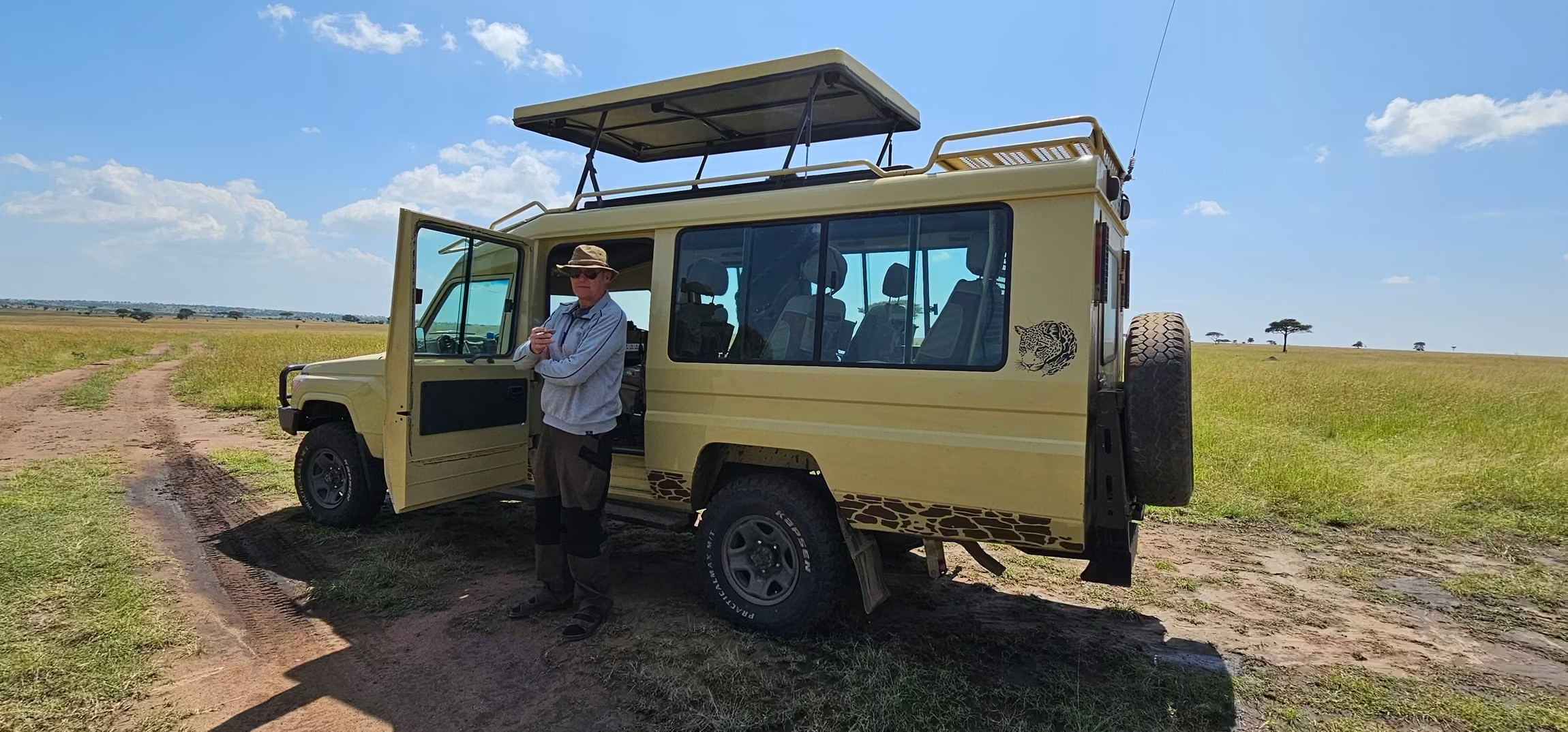
- Transportation in a 4×4 safari vehicle
- Hotel pickup and drop off in Arusha as agreed
- Professional English speaking safari driver guide
- Ngorongoro Conservation Area entrance fees
- Crater service fees where included in the confirmed package
- Full crater game drive
- Safari vehicle fees
- Picnic lunch
- Drinking water
- Applicable government taxes
- Safari coordination by Tansania Toll Safaris
The Price Excludes
- International and domestic flights
- Tanzania visa fees
- Travel and medical insurance
- Accommodation before or after the safari
- Airport transfers unless specifically included
- Alcoholic beverages and soft drinks
- Personal expenses
- Souvenirs
- Tips and gratuities
- Maasai cultural visit unless specifically included
- Olduvai Gorge visit unless specifically included
- Additional meals not stated in the itinerary
- Emergency medical expenses
- Additional activities outside the confirmed program
- Any service not specifically mentioned under the tour inclusions
Tour Overview
Descend into one of Africa’s most extraordinary wildlife landscapes on a 1 Day Ngorongoro Crater Safari from Arusha with Tansania Toll Safaris. Ngorongoro Crater is one of northern Tanzania’s most iconic safari destinations, famous for its dramatic volcanic scenery, exceptionally high concentration of wildlife and excellent opportunities to see many of Africa’s most celebrated animals within a relatively compact area.
Located inside the Ngorongoro Conservation Area, the crater was formed by the collapse of a massive ancient volcano. Today, its floor covers roughly 260 square kilometres, surrounded by steep walls rising approximately 600 metres above the crater floor. This natural basin contains open grasslands, freshwater wetlands, forest, springs and Lake Magadi, creating suitable habitats for a remarkable variety of wildlife.
Ngorongoro is particularly famous for its strong chances of seeing members of the African Big Five, including lions, elephants, buffaloes and, with good fortune, the critically endangered black rhinoceros. Leopards also occur within the wider conservation area, although they are less commonly seen on the open crater floor.
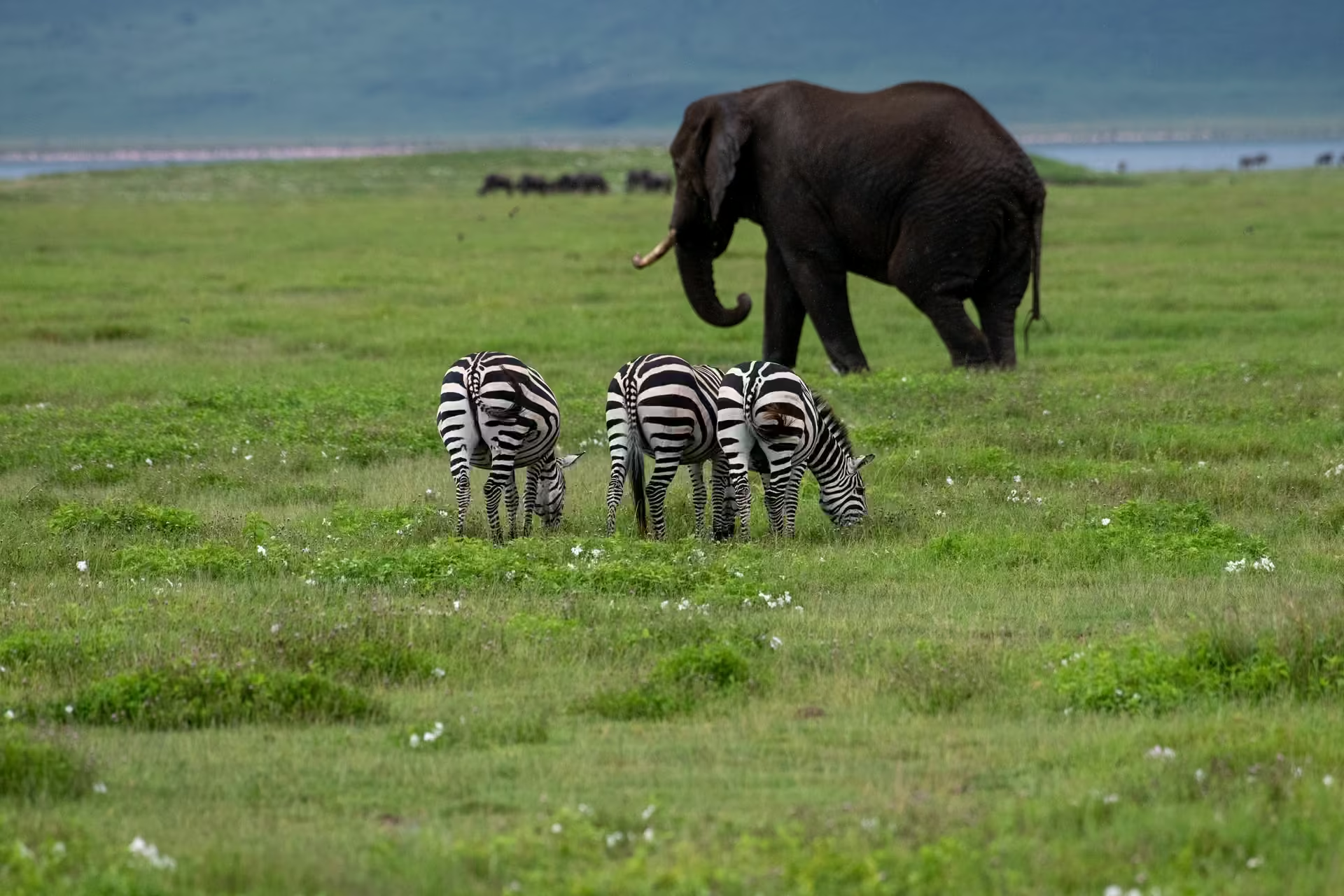
Large herds of wildebeest, zebras, gazelles and buffaloes move across the grasslands, while spotted hyenas patrol the plains and lions rest near productive hunting areas. Hippos occupy pools and wetlands, and elephants may be seen around forested sections of the crater.
The crater is also outstanding for birdlife. Depending on the season and water conditions, you may see flamingos, crowned cranes, kori bustards, ostriches, vultures, eagles and many other species.
Your adventure begins early in Arusha, Tanzania, followed by a scenic drive through the northern highlands toward the Ngorongoro Conservation Area. On arrival at the crater rim, you descend by safari vehicle into the caldera for an intensive game drive before enjoying a picnic lunch at an approved location.
For travellers searching for a Ngorongoro Crater day trip from Arusha, a Big Five safari in Tanzania, or one of the most rewarding one day safaris in northern Tanzania, this experience offers an unforgettable journey into a landscape unlike anywhere else in Africa.
With Tansania Toll Safaris, your day combines dramatic scenery, wildlife, photography and professional safari guiding into one of Tanzania’s most celebrated safari experiences.
Ngorongoro Crater Day Trip Highlights
- Descend into the magnificent Ngorongoro Crater
- Search for members of the African Big Five
- Look for the rare black rhinoceros
- See lions, elephants, buffaloes and hyenas
- Observe wildebeest, zebras and gazelles
- Visit the scenic crater floor
- See Lake Magadi and wetland habitats
- Enjoy excellent wildlife photography
- Experience dramatic volcanic landscapes
- Enjoy a picnic lunch inside the conservation area
- Explore one of northern Tanzania’s richest wildlife ecosystems
- Enjoy a full day safari with a professional guide
Day To day
Your Ngorongoro Crater day safari begins very early in the morning when your professional Tansania Toll Safaris driver guide collects you from your hotel or agreed pickup point in Arusha.
The distance from Arusha to the Ngorongoro Conservation Area is approximately 180 to 200 kilometres, depending on your starting point and route. The journey commonly takes around 3.5 to 4 hours each way, making an early departure essential.
Leaving Arusha, you travel west through the northern Tanzanian countryside toward Mto wa Mbu, Karatu and the Ngorongoro highlands. The landscapes gradually change from open plains to greener farmland and highland scenery as you approach the conservation area.
After completing entrance procedures, you continue toward the crater rim. From selected viewpoints, the vast Ngorongoro Crater opens beneath you, creating one of the most spectacular panoramas in Tanzania.
Your safari vehicle then begins the descent into the crater. Within a short time, you reach the grasslands and wetlands where the day’s game viewing begins.
Your guide searches productive areas for lions, elephants, buffaloes, black rhinos, zebras, wildebeest, gazelles, hippos and spotted hyenas while explaining the crater’s geology, ecosystems and wildlife behaviour.
Around midday, you stop at a designated picnic site for lunch before continuing your game drive. During the afternoon, you explore additional habitats including open plains, marshes, woodland and areas close to Lake Magadi.
After completing the game drive, you ascend the crater wall and begin the return journey toward Arusha, arriving during the evening.
Major Activities During the Day
- Ngorongoro Crater game drive
- Big Five wildlife searching
- Black rhino spotting
- Wildlife photography
- Birdwatching
- Crater landscape photography
- Lake Magadi viewing
- Predator observation
- Picnic lunch
- Professional wildlife interpretation
Ngorongoro Crater
Ngorongoro Crater is the central attraction of the conservation area and one of the largest intact volcanic calderas in the world.
The crater floor covers approximately 260 square kilometres and is enclosed by steep walls that rise around 600 metres above the basin.
Its relatively compact size and permanent sources of water support large numbers of animals throughout the year, making the crater one of the most rewarding wildlife viewing destinations in Tanzania.
Wildlife of Ngorongoro Crater
The crater is famous for its extraordinary concentration of wildlife.
Animals you may encounter include:
- African lions
- African elephants
- African buffaloes
- Black rhinoceroses
- Spotted hyenas
- Wildebeest
- Zebras
- Thomson’s gazelles
- Grant’s gazelles
- Hippos
- Warthogs
- Golden jackals
- Elands
Wildlife sightings always depend on natural movement and cannot be guaranteed.
Black Rhinoceros
One of the most exciting wildlife possibilities in Ngorongoro is seeing the black rhinoceros.
The crater provides important habitat for this endangered species, and Ngorongoro remains one of northern Tanzania’s best known locations for attempting to observe rhinos in the wild.
They are often seen at a distance across open grasslands, making binoculars particularly useful.
Lions of Ngorongoro
Lions are among the crater’s most prominent predators.
They may be seen resting in the grass, moving between hunting areas or watching large herds of prey across the plains.
Because of the crater’s relatively high wildlife density, predator sightings can be especially rewarding.
Elephants and Buffaloes
Large African buffaloes are commonly seen across the crater floor, either in herds or smaller groups.
Elephants are also present, particularly around forested areas. Mature bulls with impressive tusks are among the most memorable animals visitors may encounter.
Wildebeest, Zebras and Gazelles
The open grasslands support large numbers of grazing animals.
Wildebeest and zebras are frequently seen together, while gazelles move across shorter grass areas.
These herbivores form a vital part of the crater ecosystem and provide prey for lions, hyenas and other predators.
Hippo Pools
Several wetland areas within the crater provide habitat for hippopotamuses.
Hippos often spend the day resting in water, where they can be observed from suitable viewing points.
The surrounding wetlands are also productive areas for birds and other wildlife.
Lake Magadi
Lake Magadi is a shallow alkaline lake on the crater floor and an important feature of the Ngorongoro ecosystem.
Depending on seasonal conditions, flamingos and other waterbirds may gather around the lake.
The lake also adds striking scenery to the crater landscape, particularly when surrounded by open grasslands and wildlife.
Birdwatching in Ngorongoro
Ngorongoro is an excellent destination for bird enthusiasts.
Different habitats support a wide variety of birds, including:
- Flamingos
- Crowned cranes
- Ostriches
- Kori bustards
- Vultures
- Eagles
- Herons
- Egrets
- Secretary birds
- Waterfowl
Birdlife changes with the seasons, giving the crater additional value beyond large mammal viewing.
Picnic Lunch in the Crater
Around midday, your guide stops at a designated picnic location where you can enjoy your packed lunch.
The lunch break allows you to relax briefly before continuing with your afternoon game drive.
Even during your break, the surrounding scenery and wildlife remain part of the experience.
Afternoon Game Drive
After lunch, your safari continues through different sections of the crater floor.
Your guide uses knowledge of wildlife movements, recent sightings, seasonal conditions and habitat preferences to select productive routes.
The afternoon provides another opportunity to search for rhinos, predators and other animals before beginning the ascent from the crater.
Extra Activities
Additional activities can be added when incorporated into a longer or customized itinerary.
- Crater Rim Viewpoint
Spend time enjoying panoramic views across the entire caldera.
- Wildlife Photography
Focus additional time on predator, elephant and landscape photography.
- Birdwatching Safari
Dedicate more attention to the crater’s diverse birdlife.
- Maasai Cultural Experience
Visit a Maasai community outside the crater floor when arranged in advance.
- Olduvai Gorge Extension
Explore this important archaeological area when included within a longer itinerary.
- Karatu Cultural Experience
Add a community, farm or local cultural experience around Karatu.
- Lake Manyara Extension
Combine Ngorongoro with Lake Manyara as part of a multi day safari.
- Serengeti Extension
Continue into Serengeti National Park for a longer northern Tanzania safari.
Approximate Day Trip Schedule
- 05:30 to 06:00 Pickup from your hotel in Arusha
- 06:00 to 09:30 Drive toward Ngorongoro Conservation Area
- 09:30 to 10:00 Entrance procedures and crater viewpoint
- 10:00 to 13:00 Morning crater game drive
- 13:00 to 14:00 Picnic lunch
- 14:00 to 15:30 Afternoon game drive
- 15:30 to 16:00 Ascend from the crater
- 16:00 to 19:30 Return journey to Arusha
Times are approximate and may change according to traffic, wildlife sightings, road conditions and conservation area procedures.
Ngorongoro Crater Quick Facts
Destination: Ngorongoro Crater
Conservation Area: Ngorongoro Conservation Area
Crater Floor Area: Approximately 260 square kilometres
Crater Depth: Approximately 600 metres
Distance from Arusha: Approximately 180 to 200 kilometres
Driving Time: Approximately 3.5 to 4 hours each way
Main Experience: Wildlife game drive
Signature Wildlife: Lions, buffaloes, elephants, black rhinos and hyenas
Major Landscape: Volcanic caldera
Recommended Duration: Full day
Safari Difficulty: Easy
Tour Starting Point: Arusha
Tour Operator: Tansania Toll Safaris
Why Visit Ngorongoro Crater?
Ngorongoro offers one of the most concentrated wildlife viewing experiences in northern Tanzania.
Its enclosed volcanic landscape brings together grasslands, forest, wetlands, lakes and abundant wildlife within a relatively small area.
This makes it particularly rewarding for first time safari travellers and visitors hoping to see a wide range of wildlife within a single day.
The combination of scenery and wildlife also makes Ngorongoro one of Tanzania’s strongest destinations for safari photography.
Best Time to Visit Ngorongoro Crater
Ngorongoro Crater can be visited throughout the year.
Wildlife remains present during both wet and dry periods because the crater contains permanent water sources and productive habitats.
The drier months generally provide clearer game viewing conditions, while greener months bring beautiful landscapes, increased vegetation and rewarding birdlife.
Morning conditions can be cool around the crater rim, so carrying a warm layer is recommended.
Ngorongoro During the Dry Season
During the drier months, the grasslands become shorter and wildlife can be easier to observe.
Animals often gather around dependable water sources, while clear conditions can create excellent photography opportunities.
The crater can also become busy during popular travel periods, so early arrival is beneficial.
Ngorongoro During the Green Season
The wetter months transform the crater into a vibrant green landscape.
Birdlife becomes especially rewarding, and the fresh vegetation creates beautiful backgrounds for wildlife photography.
Short showers are possible, but they often add atmosphere to the crater scenery.
What to Bring
- Comfortable safari clothing
- Warm jacket for the crater rim
- Hat or cap
- Sunscreen
- Sunglasses
- Camera or smartphone
- Binoculars
- Small backpack
- Refillable water bottle
- Light rain jacket
- Personal medication
- Insect repellent
- Spare camera battery or power bank
- Cash for tips and personal expenses
Your Tanzania Adventure Is Closer Than You Think
Let Us Create Your Perfect Tanzania Safari
Your dream of exploring Tanzania can begin with one simple conversation. Tell us when you would like to travel, how many people will join you and the experiences you hope to enjoy. Our safari specialists will prepare a personalized Tanzania travel proposal based on your interests, preferred accommodation, travel duration and budget. Whether you are planning a Serengeti wildlife safari, a Kilimanjaro climbing adventure, a romantic honeymoon, a family holiday or a complete Tanzania safari and Zanzibar beach experience, we are ready to guide you through every step of the planning process. Contact Tansania Toll Safaris today and begin creating a journey filled with wildlife, discovery, comfort and unforgettable African moments.
Read Reviews

Follow us
- Tansania Toll Safaris
- @tansaniatollsafaris
- Tansania Toll Safaris
- +255 765 148 724
- +255 765 148 724
- sales@tansaniatoll-safaris.de
- Arusha, Tanzania
We Accept