
Ngorongoro Conservation Area
Ngorongoro Conservation Area is one of Tanzania’s most extraordinary natural and cultural destinations, famous for the spectacular Ngorongoro Crater, abundant wildlife, dramatic volcanic landscapes, ancient archaeological sites and the long standing presence of Maasai communities.
Located in northern Tanzania, the conservation area forms an important part of the country’s celebrated Northern Safari Circuit and is commonly combined with Serengeti National Park, Lake Manyara National Park and Tarangire National Park.
Unlike a conventional national park, Ngorongoro is a multiple use conservation area where wildlife conservation, tourism and traditional pastoral life coexist across a vast landscape. This unique model gives visitors an opportunity to experience both exceptional wildlife viewing and the cultural heritage of communities that have lived in the region for generations.
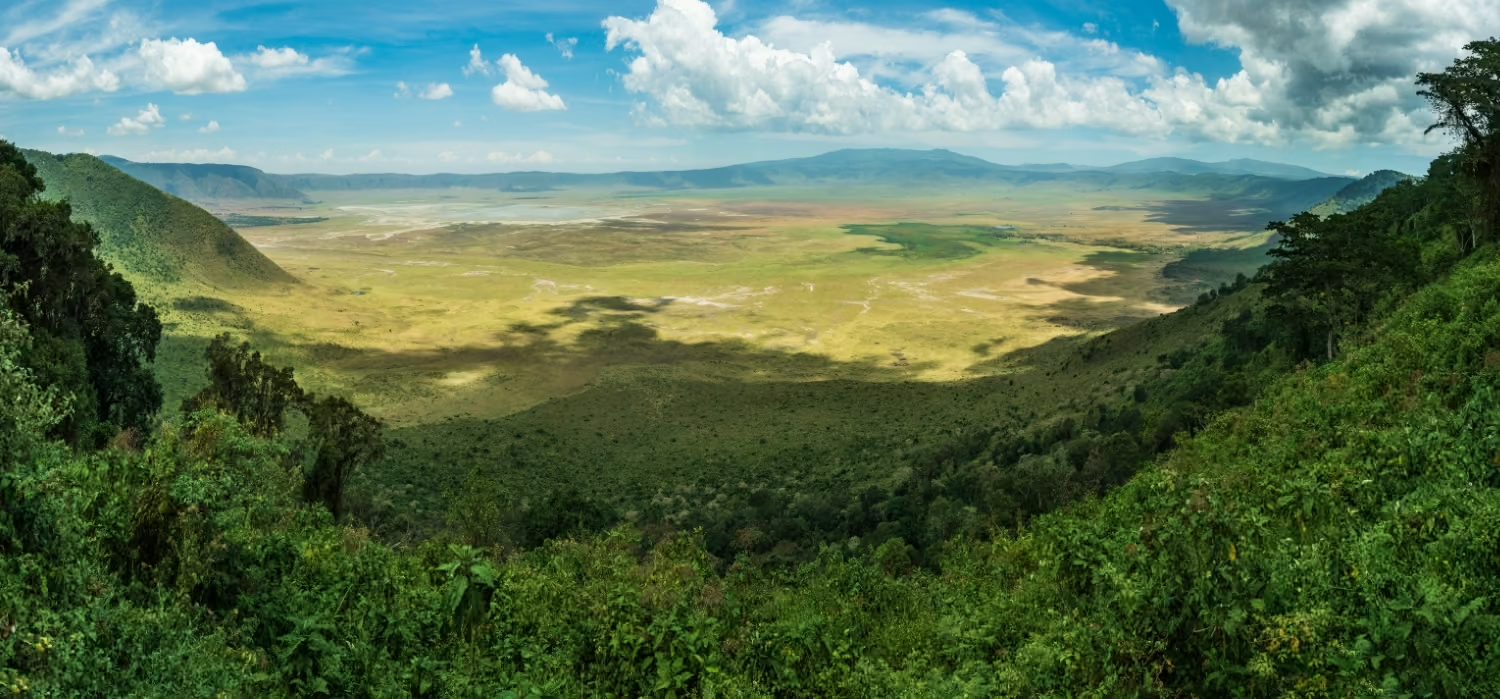
The main attraction is the magnificent Ngorongoro Crater, one of the largest intact volcanic calderas in the world. Its fertile floor supports a remarkable concentration of wildlife, including lions, elephants, buffaloes, zebras, wildebeest, hippos, hyenas and the rare black rhinoceros.
For travellers planning a 2026 Tanzania safari, Ngorongoro Conservation Area remains one of the most important destinations to include in a northern Tanzania itinerary. Its combination of wildlife, scenery, geology, archaeology and culture makes it far more than a traditional safari stop.
At Tansania Toll Safaris, based in Arusha, Tanzania, we create personalised Ngorongoro safari experiences designed around wildlife viewing, cultural discovery, photography and seamless connections with Tanzania’s other leading attractions.
History of Ngorongoro Conservation Area
The Ngorongoro region has a long and complex history shaped by geology, wildlife and human settlement.
For thousands of years, different communities have lived in and around the region, using its fertile highlands, grasslands and seasonal water sources.
The area later became especially associated with the Maasai people, whose pastoral traditions remain one of the defining cultural features of the wider landscape.
Modern conservation efforts developed as the ecological value of the region became increasingly recognised.
Ngorongoro Conservation Area was officially established in 1959, following a change in the management of the wider Serengeti ecosystem. The aim was to create a conservation framework that could protect wildlife while allowing traditional pastoral communities to continue living within designated parts of the area.
This made Ngorongoro different from many national parks where permanent human settlement is generally restricted.
The conservation area is also internationally important because of its archaeological significance, especially in places such as Olduvai Gorge, where discoveries have contributed greatly to the understanding of early human evolution.
Important historical and conservation features include:
- Protection of the Ngorongoro Crater ecosystem
- Preservation of important wildlife habitats
- Protection of seasonal migration routes
- Conservation of archaeological and palaeontological sites
- Recognition of traditional Maasai pastoral culture
- Protection of volcanic highlands and grasslands
- Preservation of water catchment areas
- Support for scientific research and responsible tourism
Today, Ngorongoro Conservation Area is recognised as one of Africa’s most remarkable landscapes because it protects both natural heritage and important elements of human history.
Geography Size and Ecology of Ngorongoro Conservation Area
Ngorongoro Conservation Area covers approximately 8,292 square kilometres, making it one of the largest and most geographically diverse protected landscapes in northern Tanzania.
The area contains:
- Volcanic craters
- Highland forests
- Open grasslands
- Lakes
- Seasonal wetlands
- Escarpments
- Dry plains
- Archaeological landscapes
- Pastoral lands
The enormous variation in altitude and terrain creates several ecological zones and supports a wide range of wildlife.
Ngorongoro Crater
The Ngorongoro Crater is the most famous geographical feature within the conservation area.
It was formed millions of years ago when a massive volcano collapsed after a major eruption, creating a vast caldera.
The crater floor covers roughly 260 square kilometres and lies around 600 metres below the surrounding rim.
This enclosed landscape contains grasslands, swamps, forest, freshwater springs and a soda lake, creating habitats for thousands of animals.
The crater is often described as one of Africa’s greatest natural wildlife arenas because large numbers of animals can be found within a relatively compact area.
Common wildlife includes:
- Lions
- African buffaloes
- Zebras
- Wildebeest
- Elephants
- Hippopotamuses
- Spotted hyenas
- Thomson’s gazelles
- Grant’s gazelles
- Warthogs
- Black rhinoceroses
- Numerous bird species
Lerai Forest
The Lerai Forest is a distinctive woodland area on the crater floor.
It is known for tall yellow barked acacia trees and provides shade, food and shelter for several wildlife species.
Visitors may encounter:
- Elephants
- Monkeys
- Antelopes
- Buffaloes
- Birds
The forest provides a visual contrast to the open grasslands found elsewhere in the crater.
Lake Magadi
Lake Magadi is a shallow alkaline lake located on the crater floor.
Its water levels vary seasonally, and the lake often attracts flamingos and other water birds.
The surrounding open terrain is also used by grazing wildlife and provides excellent opportunities for photography.
Ngoitokitok Springs
Freshwater springs such as Ngoitokitok Springs support wetlands and wildlife within the crater.
Hippos are commonly associated with these areas, while birds and grazing animals also gather nearby.
Ngorongoro Highlands
The highlands surrounding the crater are cooler and greener than the plains below.
They include forested slopes, rolling hills, volcanic peaks and fertile landscapes.
The highlands provide important habitats for:
- Elephants
- Buffaloes
- Forest antelopes
- Primates
- Numerous bird species
They are also home to local communities and cultivated areas outside the main wildlife zones.
Empakaai Crater
Empakaai Crater is another spectacular volcanic feature within the conservation area.
It contains a deep crater lake surrounded by steep forested walls.
The area offers outstanding scenery and is particularly attractive for hiking and nature focused excursions.
Depending on conditions, visitors may see flamingos around the lake.
Olmoti Crater
Olmoti Crater is smaller and quieter than Ngorongoro Crater and offers a rewarding experience for travellers interested in hiking and less crowded landscapes.
The crater contains grasslands, streams and waterfalls, and walks in the area provide beautiful views of the surrounding highlands.
Wildlife of Ngorongoro Conservation Area
Ngorongoro Conservation Area supports an impressive diversity of wildlife.
The crater floor is particularly famous for its high concentration of large mammals.
Visitors may encounter:
- African lion
- African elephant
- Cape buffalo
- Black rhinoceros
- Leopard in selected habitats
- Spotted hyena
- Wildebeest
- Zebra
- Hippopotamus
- Warthog
- Eland
- Thomson’s gazelle
- Grant’s gazelle
- Jackal
- Serval
The conservation area is one of the best places in northern Tanzania for travellers hoping to see a black rhinoceros, although sightings are never guaranteed.
Large tusked elephants are also a memorable feature of the crater ecosystem.
Birdlife in Ngorongoro Conservation Area
The wide range of habitats makes Ngorongoro an excellent destination for bird watching safaris in Tanzania.
Birds can be found around lakes, forests, grasslands and highland areas.
Species that may be observed include:
- Flamingos
- Ostriches
- Kori bustards
- Crowned cranes
- Secretary birds
- Vultures
- Eagles
- Storks
- Herons
- Egrets
- Weavers
- Waterfowl
The diversity of birdlife makes Ngorongoro particularly rewarding for visitors who combine wildlife viewing with photography and specialised birding interests.
Accessibility and How to Reach Ngorongoro Conservation Area
Ngorongoro Conservation Area is easily accessible from Arusha, making it an important part of many Northern Tanzania safari itineraries.
The drive from Arusha to the Ngorongoro region generally takes around three to four hours, depending on traffic, road conditions and the exact destination.
Many travellers pass through:
- Mto wa Mbu
- Lake Manyara area
- Karatu
before reaching the conservation area.
Travelling From Arusha
A common route begins in Arusha and continues toward Lake Manyara and Karatu before ascending into the Ngorongoro Highlands.
This route is scenic and passes through changing landscapes, agricultural areas and Rift Valley scenery.
Travelling From Serengeti
Ngorongoro Conservation Area also forms a natural connection between Serengeti National Park and Karatu or Arusha.
Travellers moving between Serengeti and Ngorongoro often cross open plains, volcanic landscapes and areas used by seasonal wildlife.
Travelling by Air
Visitors can also use scheduled or charter flights serving the wider northern Tanzania safari circuit.
Flights may be suitable for:
- Luxury safaris
- Honeymoon travellers
- Short itineraries
- Fly in safari packages
- Safari and Zanzibar combinations
Best Time to Visit Ngorongoro Conservation Area
Ngorongoro can be visited throughout the year.
Because much of the wildlife on the crater floor is resident, excellent sightings are possible in every season.
June to October
The dry season is one of the most popular times to visit.
Conditions are generally cooler and drier, and wildlife viewing is excellent.
Advantages include:
- Good road conditions
- Excellent game viewing
- Comfortable daytime temperatures
- Easier wildlife observation
- Good combination with Serengeti migration itineraries
This period can be busy, especially at major crater viewpoints and on the crater floor.
November to December
The short rains begin to transform the landscape into fresh green scenery.
This season offers:
- Beautiful photography
- Fewer visitors than peak months
- Excellent birdlife
- Green grasslands
- Good wildlife viewing
January to February
These months are popular for travellers combining Ngorongoro with the southern Serengeti and Ndutu region.
The wider ecosystem becomes especially active during the wildebeest calving season.
Ngorongoro remains excellent for year round wildlife sightings while also serving as a convenient base for wider safari exploration.
March to May
The longer rainy season brings lush landscapes and dramatic cloud formations over the highlands.
Travellers visiting during this period may experience:
- Fewer safari vehicles
- Green scenery
- Excellent bird watching
- Attractive photography conditions
- Cooler highland weather
Some roads may become more challenging after heavy rain, but the landscape can be exceptionally beautiful.
Common Activities in Ngorongoro Conservation Area
Ngorongoro offers far more than a traditional game drive.
Ngorongoro Crater Game Drives
A Ngorongoro Crater game drive is the signature experience.
Visitors descend from the crater rim to the floor below and spend several hours exploring grasslands, forests, wetlands and lakes.
Wildlife sightings may include:
- Lions
- Rhinos
- Elephants
- Buffaloes
- Zebras
- Wildebeest
- Hippos
- Hyenas
- Gazelles
The high concentration of wildlife makes the crater one of the most rewarding game drive destinations in Tanzania.
Wildlife Photography
Ngorongoro is exceptional for safari photography.
Popular subjects include:
- Lions on open plains
- Black rhinoceroses
- Elephants beneath acacia trees
- Flamingos on Lake Magadi
- Wildebeest herds
- Crater landscapes
- Morning mist along the rim
- Dramatic highland views
The combination of wildlife and volcanic scenery provides some of the most recognisable images in Tanzania.
Cultural Visits
Travellers may have opportunities to learn about Maasai culture in designated areas of the conservation landscape.
Depending on the itinerary, cultural experiences may introduce visitors to:
- Traditional pastoral life
- Maasai homesteads
- Livestock keeping
- Clothing and crafts
- Community traditions
- Local stories and customs
Cultural experiences should be approached respectfully and organised through responsible tourism arrangements.
Olduvai Gorge Visits
Olduvai Gorge is one of the most important archaeological areas in East Africa.
The site is famous for discoveries linked to the study of human evolution.
Travellers interested in archaeology and history can combine their wildlife safari with a visit to the gorge and related interpretation facilities.
Hiking and Nature Walks
Some parts of the Ngorongoro Highlands offer outstanding guided hiking opportunities.
Popular landscapes include:
- Empakaai Crater
- Olmoti Crater
- Highland valleys
- Forested slopes
- Scenic ridges
These activities are ideal for travellers who want to experience the conservation area beyond safari vehicles.
Bird Watching
The combination of lakes, wetlands, highland forest and grasslands makes Ngorongoro highly rewarding for birding.
Specialised bird watching can be combined with standard wildlife safaris.
Accommodation Options in Ngorongoro Conservation Area
Ngorongoro offers a wide range of accommodation options both on the crater rim and in nearby areas such as Karatu.
Luxury Crater Rim Lodges
Luxury lodges located near the crater rim provide some of the most spectacular views in northern Tanzania.
Guests may wake to panoramic views across the vast caldera below.
Common facilities include:
- Luxury suites
- Fine dining
- Private verandas
- Panoramic crater views
- Personalised service
- Fireplace lounges
These properties are ideal for honeymooners, luxury safari travellers and special celebrations.
Luxury Tented Camps
Luxury tented camps provide an elegant safari atmosphere while maintaining a close connection to nature.
Features may include:
- Spacious tents
- En suite bathrooms
- Private decks
- Campfire areas
- Fine dining
- Scenic forest or highland settings
Mid Range Lodges
Mid range accommodation is available both near the conservation area and around Karatu.
These properties offer a strong balance between comfort and value.
Common features include:
- Comfortable rooms
- Restaurants
- Gardens
- Swimming pools
- Easy access to safari routes
Farm Lodges Around Karatu
Karatu is well known for attractive farm style lodges surrounded by gardens, plantations and agricultural landscapes.
These properties provide a relaxing environment before or after a crater safari.
Budget Accommodation
Budget travellers can choose from:
- Guesthouses
- Simple lodges
- Campsites
- Affordable hotels in Karatu
These options allow travellers to experience Ngorongoro while keeping safari costs manageable.
Combining Ngorongoro With Other Tanzania Destinations
Ngorongoro Conservation Area is ideally positioned between several of northern Tanzania’s most famous attractions.
Popular combinations include:
- Ngorongoro and Serengeti National Park
- Ngorongoro and Tarangire National Park
- Ngorongoro and Lake Manyara National Park
- Ngorongoro and Lake Eyasi
- Ngorongoro and Arusha National Park
- Ngorongoro and Mount Kilimanjaro
A classic Northern Tanzania safari often begins in Arusha, continues through Tarangire and Lake Manyara, explores Ngorongoro Crater and then travels into Serengeti National Park.
Travellers can also continue to Zanzibar after their safari for a relaxing beach holiday.
This creates an unforgettable Tanzania safari and Zanzibar holiday combining wildlife, landscapes, culture and tropical beaches.
Why Visit Ngorongoro Conservation Area
Ngorongoro is one of the most complete safari destinations in Tanzania.
Reasons to visit include:
- Exceptional wildlife concentration inside Ngorongoro Crater
- Opportunities to see black rhinoceroses
- Spectacular volcanic landscapes
- Excellent lion and elephant sightings
- Rich birdlife
- Important archaeological sites
- Maasai cultural experiences
- Beautiful highland scenery
- Excellent wildlife photography
- Easy connection with Serengeti
- Year round safari opportunities
- Hiking and nature experiences
Few places in Africa combine wildlife, geology, human history and cultural heritage in such a dramatic landscape.
Plan Your Ngorongoro Safari With Tansania Toll Safaris
Standing on the rim of Ngorongoro Crater and looking across its vast floor below is one of those moments that instantly explains why Tanzania remains one of the world’s greatest safari destinations.
Below you, lions move across open grasslands, elephants wander through forest, flamingos gather around shallow waters and distant herds spread across an ancient volcanic landscape.
At Tansania Toll Safaris, based in Arusha, Tanzania, we create personalised Ngorongoro Conservation Area safari tours for travellers seeking exceptional wildlife encounters, beautiful scenery and deeper cultural experiences.
Whether you are planning a Ngorongoro Crater day trip, a luxury Northern Tanzania safari, a family wildlife holiday, a romantic honeymoon, a photographic safari or a complete Serengeti and Ngorongoro adventure, our team can design a journey around your interests and travel style.
Your Ngorongoro experience can include:
- Private safari transportation
- Professional Tanzania safari guides
- Ngorongoro Crater game drives
- Wildlife photography experiences
- Cultural visits
- Olduvai Gorge excursions
- Highland hiking experiences
- Carefully selected lodges and camps
- Airport transfers
- Serengeti safari extensions
- Tarangire combinations
- Lake Manyara extensions
- Mount Kilimanjaro combinations
- Zanzibar beach holiday extensions
From the mist covered crater rim to the wildlife rich plains below, Ngorongoro Conservation Area offers one of the most powerful and unforgettable safari experiences in Africa.
Travel with Tansania Toll Safaris and discover Ngorongoro, where ancient volcanic landscapes, extraordinary wildlife and centuries of human history come together in one remarkable corner of Tanzania.
Your Tanzania Adventure Is Closer Than You Think
Let Us Create Your Perfect Tanzania Safari
Your dream of exploring Tanzania can begin with one simple conversation. Tell us when you would like to travel, how many people will join you and the experiences you hope to enjoy. Our safari specialists will prepare a personalized Tanzania travel proposal based on your interests, preferred accommodation, travel duration and budget. Whether you are planning a Serengeti wildlife safari, a Kilimanjaro climbing adventure, a romantic honeymoon, a family holiday or a complete Tanzania safari and Zanzibar beach experience, we are ready to guide you through every step of the planning process. Contact Tansania Toll Safaris today and begin creating a journey filled with wildlife, discovery, comfort and unforgettable African moments.
Read Reviews

Follow us
- Tansania Toll Safaris
- @tansaniatollsafaris
- Tansania Toll Safaris
- +255 765 148 724
- +255 765 148 724
- sales@tansaniatoll-safaris.de
- Arusha, Tanzania
We Accept