
Ruaha National Park
Ruaha National Park is one of Tanzania’s greatest wilderness destinations and one of the most rewarding places in Africa for travellers seeking an authentic, remote and wildlife rich safari experience. Located in south central Tanzania, Ruaha is known for its immense landscapes, dramatic baobab valleys, rugged hills, seasonal rivers, large elephant populations and exceptional predator sightings.
Unlike the more heavily visited parks of northern Tanzania, Ruaha offers a quieter and more exclusive atmosphere. Safari vehicles are fewer, the landscapes feel vast and untouched, and wildlife encounters often unfold with a remarkable sense of privacy.
The park forms part of Tanzania’s wider Southern Safari Circuit and is particularly famous for the Great Ruaha River, which plays a vital ecological role by providing water to wildlife during the long dry season.
Ruaha is also renowned for its impressive populations of lions, elephants, buffaloes and wild dogs, while leopards, cheetahs, giraffes, zebras, antelopes and hundreds of bird species add to the park’s extraordinary biodiversity.
For travellers planning a 2026 Tanzania safari, Ruaha National Park is an excellent destination for luxury safaris, photographic safaris, honeymoon adventures, wildlife focused journeys and travellers seeking a more secluded alternative to the busier parks of East Africa.
At Tansania Toll Safaris, based in Arusha, Tanzania, we create personalised Ruaha safari experiences combining professional guiding, carefully selected accommodation and seamless travel across Tanzania.
History of Ruaha National Park
The history of Ruaha National Park is closely connected to the conservation of Tanzania’s southern wilderness landscapes and the protection of important wildlife habitats around the Great Ruaha River.
The area was initially protected as part of a larger conservation zone before eventually becoming a national park in the twentieth century.
Ruaha was officially established as a national park in 1964, and its boundaries were later expanded to protect a much larger section of the surrounding ecosystem.
These expansions significantly increased the park’s importance as a conservation area for elephants, predators, antelopes, birds and other wildlife.
Ruaha’s remote location also helped preserve its wilderness character.
Unlike regions that experienced intense human settlement and infrastructure development, large sections of Ruaha remained relatively wild, providing animals with extensive space to move between seasonal water sources and feeding areas.
The park also forms part of a wider ecological network that connects with other protected landscapes in central and southern Tanzania.
Important aspects of Ruaha’s conservation history include:
- Protection of the Great Ruaha River ecosystem
- Conservation of large elephant populations
- Protection of lion, leopard and wild dog habitats
- Preservation of seasonal wildlife migration routes
- Protection of baobab woodland ecosystems
- Conservation of important bird habitats
- Expansion of protected wilderness areas
- Development of low density safari tourism
Today, Ruaha National Park is recognised as one of Tanzania’s most important wilderness conservation areas and one of Africa’s most exciting safari destinations.
Geography Size and Ecology of Ruaha National Park
Ruaha National Park covers approximately 20,226 square kilometres, making it one of the largest national parks in Tanzania.
Its enormous size creates a remarkable variety of landscapes and ecological zones.
The park contains:
- Open savannah
- Baobab woodland
- Acacia forest
- Rocky escarpments
- Seasonal rivers
- River valleys
- Grasslands
- Miombo woodland
- Hills and rocky outcrops
- Dry bushland
This diverse geography allows Ruaha to support an extraordinary variety of wildlife species.
The Great Ruaha River
The Great Ruaha River is the ecological heart of the park.
During the dry season, the river and its remaining pools become essential sources of water for wildlife.
Elephants, buffaloes, giraffes, antelopes and predators frequently gather around the river, creating excellent wildlife viewing opportunities.
Visitors may see:
- Elephants digging for water
- Buffalo herds approaching the river
- Lions resting near waterholes
- Crocodiles along riverbanks
- Hippos in deeper pools
- Antelopes gathering to drink
The river also creates spectacular scenery and is one of the best locations for wildlife photography in Ruaha.
Baobab Landscapes
Ruaha is famous for its ancient baobab trees.
These enormous trees dominate many sections of the park and contribute to the dramatic character of the landscape.
Their thick trunks and unusual shapes provide some of the most recognisable scenery in southern Tanzania.
Baobabs are ecologically important because they offer food and shelter for many animals.
Elephants may strip bark from the trees, while birds and smaller animals use cavities for nesting.
Photographers especially appreciate scenes of elephants or lions beneath massive baobab trees.
Miombo Woodland
Large areas of Ruaha are covered by miombo woodland, an important ecosystem found across central and southern Africa.
This habitat supports:
- Elephants
- Sable antelopes
- Greater kudu
- Wild dogs
- Leopards
- Various bird species
Miombo woodland gives Ruaha a landscape that differs significantly from the open plains of Serengeti.
Wildlife of Ruaha National Park
Ruaha National Park is one of Tanzania’s most impressive wildlife destinations.
It is especially famous for its large predator population and excellent elephant viewing.
Common wildlife includes:
- African elephant
- African buffalo
- Giraffe
- Zebra
- Greater kudu
- Lesser kudu
- Impala
- Waterbuck
- Eland
- Warthog
- Hippopotamus
- Crocodile
Predators include:
- African lion
- Leopard
- Cheetah
- African wild dog
- Spotted hyena
- Jackal
Ruaha is particularly famous for its lions.
The park supports numerous lion prides, and visitors may witness lions hunting buffalo, resting beneath trees or moving through dry river systems.
Lions of Ruaha National Park
Ruaha is regarded as one of the best destinations in Tanzania for lion safaris.
The abundance of prey creates favourable conditions for large prides.
Travellers may observe:
- Lions resting beneath acacia trees
- Large male coalitions
- Lionesses hunting
- Cubs playing near riverbanks
- Prides interacting with buffaloes
- Lions using dry riverbeds as travel routes
Lion encounters are one of the major reasons wildlife enthusiasts choose Ruaha.
African Wild Dogs
Ruaha also provides opportunities to see the endangered African wild dog.
Wild dogs live and hunt in highly social packs and can cover large distances while searching for prey.
Although sightings are unpredictable, encountering a wild dog pack can be one of the most exciting safari experiences in Tanzania.
Travellers may witness:
- Pack interactions
- Hunting behaviour
- Resting groups
- Adults caring for younger animals
Wild dogs are particularly valued by experienced safari travellers because of their rarity across much of Africa.
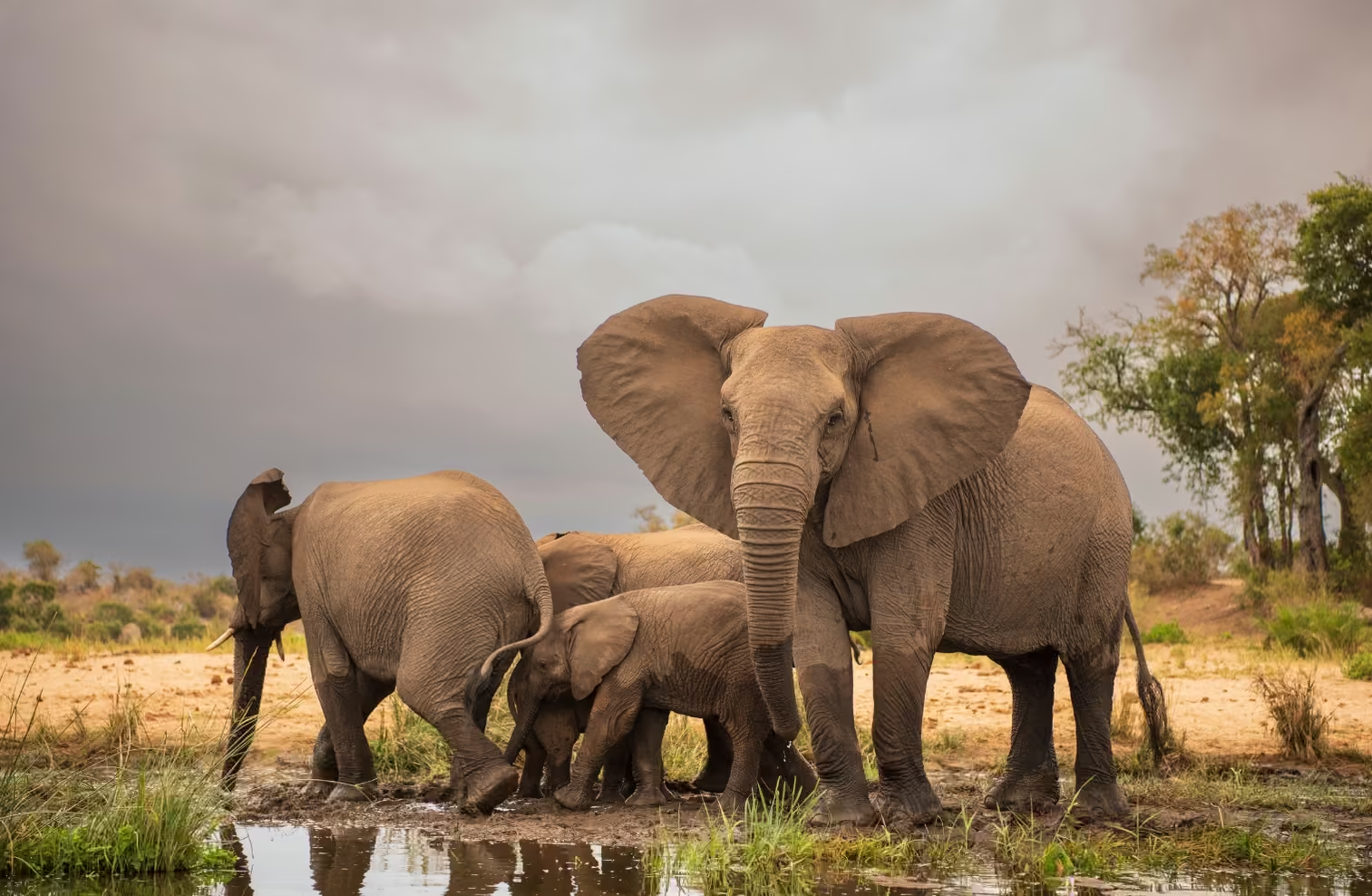
Elephant Population
Ruaha is historically associated with large elephant populations.
Elephants frequently travel between woodland, river systems and feeding areas.
Visitors may encounter:
- Family herds
- Large bulls
- Mothers with calves
- Elephants crossing rivers
- Herds feeding beneath baobabs
- Elephants digging for water in dry riverbeds
These encounters can provide some of the most memorable photography opportunities in the park.
Birdlife of Ruaha National Park
Ruaha is an exceptional destination for bird watching safaris in Tanzania.
Its varied landscapes support hundreds of bird species.
Bird enthusiasts may encounter:
- Hornbills
- Kingfishers
- Bee eaters
- Eagles
- Vultures
- Storks
- Herons
- Sunbirds
- Rollers
- Weavers
- Raptors
- Water birds
The mix of southern and eastern African bird species makes Ruaha particularly interesting to specialist bird watchers.
Birding is rewarding throughout the year, although wetter seasons often bring increased activity and seasonal migrants.
Accessibility and How to Reach Ruaha National Park
Ruaha National Park is more remote than many northern Tanzania safari destinations.
This remoteness is one of the reasons the park has retained such a strong wilderness atmosphere.
Travellers can reach Ruaha by road or air.
Travelling by Air
Flying is one of the most convenient ways to reach Ruaha.
Scheduled and charter flights connect the park with major tourism centres in Tanzania.
Fly in safaris are especially suitable for:
- Luxury travellers
- Honeymooners
- Short safari itineraries
- Photographers
- Travellers combining southern Tanzania parks
- Visitors continuing to Zanzibar
Flights reduce travel time significantly and allow travellers to begin wildlife viewing soon after arrival.
Travelling by Road
Road access provides a more adventurous way to reach Ruaha.
Travellers commonly approach from areas such as:
- Iringa
- Dodoma
- Mikumi
- Other southern Tanzania destinations
Road journeys can be long and conditions may vary depending on season.
Four wheel drive vehicles are highly recommended.
Because of the distance from Arusha, many travellers visiting Ruaha combine road and air transportation.
Best Time to Visit Ruaha National Park
Ruaha can be visited throughout the year, but seasonal conditions significantly affect wildlife movements and scenery.
June to October
The dry season from June to October is generally considered the best time for wildlife viewing in Ruaha National Park.
As water becomes scarce, animals gather around rivers, waterholes and remaining pools.
During this period visitors may experience:
- Large elephant concentrations
- Excellent lion sightings
- Buffalo herds
- Predator activity
- Easier wildlife observation
- Dry roads
- Comfortable daytime conditions
The Great Ruaha River becomes especially important during these months.
November to December
Short rains begin to transform the landscape.
Vegetation becomes greener and wildlife spreads into surrounding areas.
This season offers:
- Beautiful photography
- Fewer visitors
- Green landscapes
- Excellent bird watching
- Interesting wildlife behaviour
January to February
The park remains lush during these months.
Birdlife can be exceptional and many animals benefit from abundant food and water.
Visitors can enjoy:
- Green scenery
- Bird watching
- Lower visitor numbers
- Excellent landscape photography
March to May
The longer rainy season occurs during this period.
Parts of the park may become difficult to access and some seasonal camps may close.
However, the landscape becomes exceptionally beautiful.
Visitors who travel during this season may experience:
- Dramatic green scenery
- Fewer safari vehicles
- Excellent birdlife
- Unique photographic conditions
- Increased vegetation
Travellers should always consider road accessibility and camp operations when planning a green season Ruaha safari.
Common Activities in Ruaha National Park
Ruaha offers several safari activities focused on wildlife, scenery and wilderness exploration.
Game Drives
Game drives remain the primary activity in Ruaha National Park.
Visitors travel through river valleys, woodland and open plains while professional guides search for wildlife.
Game drives may focus on:
- Lions
- Elephants
- Leopards
- Wild dogs
- Buffaloes
- Giraffes
- Antelopes
- Birdlife
Early morning and late afternoon drives are particularly rewarding because temperatures are cooler and predators are often more active.
Wildlife Photography
Ruaha is one of Tanzania’s best destinations for serious safari photography.
Popular subjects include:
- Lions beneath baobab trees
- Elephants near riverbeds
- Wild dogs moving through woodland
- Leopards resting in trees
- Buffalo herds
- Crocodiles and hippos
- Dramatic sunsets
- Baobab silhouettes
- Predator and prey interactions
The low number of safari vehicles can provide photographers with more time and space around wildlife sightings.
Bird Watching
Bird watching is another major activity.
The variety of habitats allows visitors to observe both woodland and riverine bird species.
Specialist birding safaris can be arranged for travellers seeking particular species.
Walking Safaris
Guided walking safaris may be available in selected areas depending on current regulations, location and accommodation.
Walking safaris provide opportunities to learn about:
- Animal tracks
- Plants
- Insects
- Birdlife
- Ecosystems
- Wildlife behaviour
- Traditional bush knowledge
Walking through Ruaha provides a completely different sense of scale and connection with nature.
Scenic Safari Experiences
Ruaha is also ideal for travellers who simply appreciate wild landscapes.
The park offers dramatic scenery including:
- Baobab valleys
- River systems
- Rocky hills
- Open savannah
- Miombo forest
- Sunset viewpoints
The scenery makes Ruaha particularly appealing for travellers seeking a slower and more immersive safari experience.
Accommodation Options in Ruaha National Park
Ruaha offers a selection of safari accommodation ranging from luxury camps to intimate bush camps and more affordable options.
Luxury Safari Camps
Luxury camps provide premium comfort in remote wilderness settings.
Facilities may include:
- Spacious suites or tents
- En suite bathrooms
- Private verandas
- Gourmet dining
- Scenic viewpoints
- Campfire areas
- Personalised safari services
Luxury camps are ideal for:
- Honeymoon travellers
- Luxury safari holidays
- Wildlife photographers
- Special celebrations
- Private safari experiences
Tented Bush Camps
Tented bush camps provide a traditional safari atmosphere.
Guests remain close to nature while enjoying comfortable facilities.
Common features include:
- Safari tents
- Private bathrooms
- Outdoor seating
- Dining areas
- Campfires
- Views of wildlife areas
Bush camps are particularly attractive to travellers seeking an authentic wilderness experience.
Seasonal Camps
Some camps operate seasonally, especially during the dry months when wildlife concentrations are highest.
These camps are often positioned near productive wildlife areas.
Seasonal camps can provide:
- Excellent game viewing
- Remote locations
- Intimate safari experiences
- Close connection with nature
Mid Range Accommodation
Mid range camps provide comfortable accommodation at a more accessible price level.
They are suitable for:
- Couples
- Families
- Small groups
- Photographers
- Multi destination safari travellers
Campsites
Camping options may also be available for adventurous travellers.
Camping provides a deeply immersive experience, especially in a remote wilderness area such as Ruaha.
Combining Ruaha With Other Tanzania Safari Destinations
Ruaha is an excellent destination to combine with other attractions in southern Tanzania.
Popular combinations include:
- Ruaha National Park and Nyerere National Park
- Ruaha and Mikumi National Park
- Ruaha and Udzungwa Mountains National Park
- Ruaha and Zanzibar
- Ruaha and Dar es Salaam
Travellers seeking an extended Tanzania adventure can also combine southern circuit destinations with northern attractions such as Serengeti and Ngorongoro.
A particularly attractive itinerary can combine Ruaha with Nyerere before continuing to Zanzibar for relaxation on the Indian Ocean.
This creates an exceptional Southern Tanzania safari and Zanzibar holiday blending remote wildlife experiences with tropical beaches.
Why Visit Ruaha National Park
Ruaha is ideal for travellers seeking a safari that feels remote, wild and authentic.
Reasons to visit include:
- Exceptional lion sightings
- Large elephant populations
- Opportunities to see African wild dogs
- Beautiful baobab landscapes
- Fewer safari vehicles
- Excellent wildlife photography
- Rich birdlife
- Remote wilderness atmosphere
- Diverse habitats
- Luxury and intimate bush camps
- Excellent dry season game viewing
- Easy combination with Nyerere and Zanzibar
Ruaha provides a completely different safari experience from Tanzania’s more famous northern parks.
Its scale, solitude and wildlife diversity make it particularly attractive for travellers who have already visited Africa or who simply want a more exclusive safari.
Plan Your Ruaha Safari With Tansania Toll Safaris
There are places where wildlife can be seen, and there are places where you truly feel surrounded by wilderness. Ruaha National Park belongs to the latter.
Here, enormous baobab trees rise above dry riverbeds, elephants move silently through woodland, lions patrol the banks of the Great Ruaha River and wild dogs travel across landscapes that seem to continue forever.
At Tansania Toll Safaris, based in Arusha, Tanzania, we create personalised Ruaha National Park safari tours for travellers seeking remote wildlife encounters, professional guiding and unforgettable African wilderness experiences.
Whether you are planning a luxury Ruaha safari, Southern Tanzania wildlife holiday, honeymoon safari, photographic adventure or Ruaha and Zanzibar combination, our team can create an itinerary shaped around your interests, travel dates and preferred level of comfort.
Your Ruaha safari can include:
- Private safari transportation
- Professional Tanzania safari guides
- Scheduled or charter flights
- Full day wildlife game drives
- Walking safari experiences where available
- Wildlife photography safaris
- Bird watching experiences
- Carefully selected safari camps
- Nyerere National Park extensions
- Mikumi safari combinations
- Udzungwa Mountains extensions
- Zanzibar beach holidays
- Airport transfers and safari logistics
From the powerful roar of lions beside the Great Ruaha River to the quiet silhouettes of elephants beneath ancient baobabs, Ruaha National Park captures the raw and timeless spirit of the African wilderness.
Travel with Tansania Toll Safaris and discover Ruaha National Park, where vast landscapes, remarkable predators and unforgettable wildlife encounters create one of Tanzania’s most authentic safari experiences.
Your Tanzania Adventure Is Closer Than You Think
Let Us Create Your Perfect Tanzania Safari
Your dream of exploring Tanzania can begin with one simple conversation. Tell us when you would like to travel, how many people will join you and the experiences you hope to enjoy. Our safari specialists will prepare a personalized Tanzania travel proposal based on your interests, preferred accommodation, travel duration and budget. Whether you are planning a Serengeti wildlife safari, a Kilimanjaro climbing adventure, a romantic honeymoon, a family holiday or a complete Tanzania safari and Zanzibar beach experience, we are ready to guide you through every step of the planning process. Contact Tansania Toll Safaris today and begin creating a journey filled with wildlife, discovery, comfort and unforgettable African moments.
Read Reviews

Follow us
- Tansania Toll Safaris
- @tansaniatollsafaris
- Tansania Toll Safaris
- +255 765 148 724
- +255 765 148 724
- sales@tansaniatoll-safaris.de
- Arusha, Tanzania
We Accept