
Tarangire National Park
Tarangire National Park is one of the most rewarding wildlife destinations in northern Tanzania, famous for its enormous elephant herds, ancient baobab trees, seasonal wildlife migrations and the life giving Tarangire River.
Located southwest of Arusha, Tarangire forms an important part of Tanzania’s famous Northern Safari Circuit and is often combined with Serengeti National Park, Ngorongoro Crater and Lake Manyara National Park.
Although Tarangire is sometimes overshadowed by the Serengeti, travellers who visit quickly discover that it offers a completely different safari atmosphere. The landscape is quieter, more intimate and incredibly scenic, with giant baobab trees rising above golden grasslands while elephants move slowly between woodland and river valleys.
During the dry season, Tarangire becomes one of the best places in Tanzania for concentrated wildlife viewing. Animals from surrounding ecosystems move toward the Tarangire River and other permanent water sources, creating remarkable opportunities to observe elephants, zebras, wildebeest, giraffes, buffaloes, antelopes and predators.
For travellers planning a 2026 Tanzania safari, Tarangire National Park is an excellent destination for wildlife photography, family safaris, honeymoon journeys, private guided adventures and multi day Northern Tanzania safari itineraries.
With Tansania Toll Safaris, based in Arusha, Tanzania, travellers can explore Tarangire as a day trip or as part of a carefully designed safari connecting several of Tanzania’s most beautiful national parks.
History of Tarangire National Park
The Tarangire region has long been connected to pastoral communities and wildlife migration systems that developed around the seasonal availability of water.
The Tarangire River has always played a central role in the region’s ecology. During dry periods, wildlife travels considerable distances to reach the river and surrounding wetlands, making the area naturally important for conservation.
Tarangire National Park was officially established in 1970, helping protect important wildlife habitats and migration corridors.
Over time, the park became recognised as one of northern Tanzania’s most important wildlife conservation areas, particularly because it protects dry season habitats used by enormous numbers of animals.
The park’s conservation importance extends beyond its official boundaries. Wildlife frequently moves between Tarangire and surrounding community lands, dispersal areas and seasonal grazing grounds.
Important aspects of Tarangire’s conservation history include:
- Protection of the Tarangire River ecosystem
- Conservation of major elephant populations
- Protection of seasonal wildlife migration routes
- Preservation of ancient baobab landscapes
- Conservation of grasslands, wetlands and woodland habitats
- Protection of important bird habitats
- Support for responsible safari tourism
- Preservation of wildlife corridors connecting surrounding ecosystems
Today, Tarangire remains one of Tanzania’s most valuable protected areas and an increasingly popular destination for travellers searching for an authentic and less crowded African safari.
Geography Size and Ecology of Tarangire National Park
Tarangire National Park covers approximately 2,850 square kilometres, making it one of the larger protected areas in northern Tanzania.
The park contains a remarkable combination of ecological environments, including:
- Acacia woodland
- Open savannah
- Seasonal swamps
- River valleys
- Grasslands
- Rocky ridges
- Baobab forests
- Floodplains
The geographical diversity of Tarangire creates excellent habitat for a wide range of wildlife species.
The Tarangire River
The Tarangire River is the ecological heart of the park.
During the dry season, it becomes one of the most important permanent water sources in the region.
As temporary water sources disappear across surrounding landscapes, wildlife travels toward the river in large numbers.
Visitors may observe:
- Large elephant herds
- Zebras
- Wildebeest
- Giraffes
- Buffaloes
- Impalas
- Waterbucks
- Predators following grazing animals
The concentration of wildlife around the Tarangire River is one of the reasons the park offers exceptional dry season game viewing.
Ancient Baobab Trees
Tarangire is also famous for its enormous baobab trees.
These iconic trees can live for extremely long periods and store large quantities of water within their thick trunks.
Their unusual shapes give the park a distinctive African appearance and create some of the most memorable safari landscapes in Tanzania.
Baobabs also provide ecological benefits to wildlife.
Elephants may feed on their bark, while birds, insects and smaller animals use cavities and branches as shelter.
For photographers, the combination of baobabs, elephants and sunset skies creates some of the most recognisable images of a Tanzania safari.
Silale Swamp
The Silale Swamp is another important ecological feature within Tarangire National Park.
During the dry season, this wetland attracts wildlife from surrounding areas and provides important feeding grounds.
Animals commonly found around swamp environments include:
- Elephants
- Buffaloes
- Zebras
- Antelopes
- Warthogs
- Water birds
- Predators
The open landscapes surrounding Silale also provide excellent visibility for wildlife observation and photography.
Wildlife of Tarangire National Park
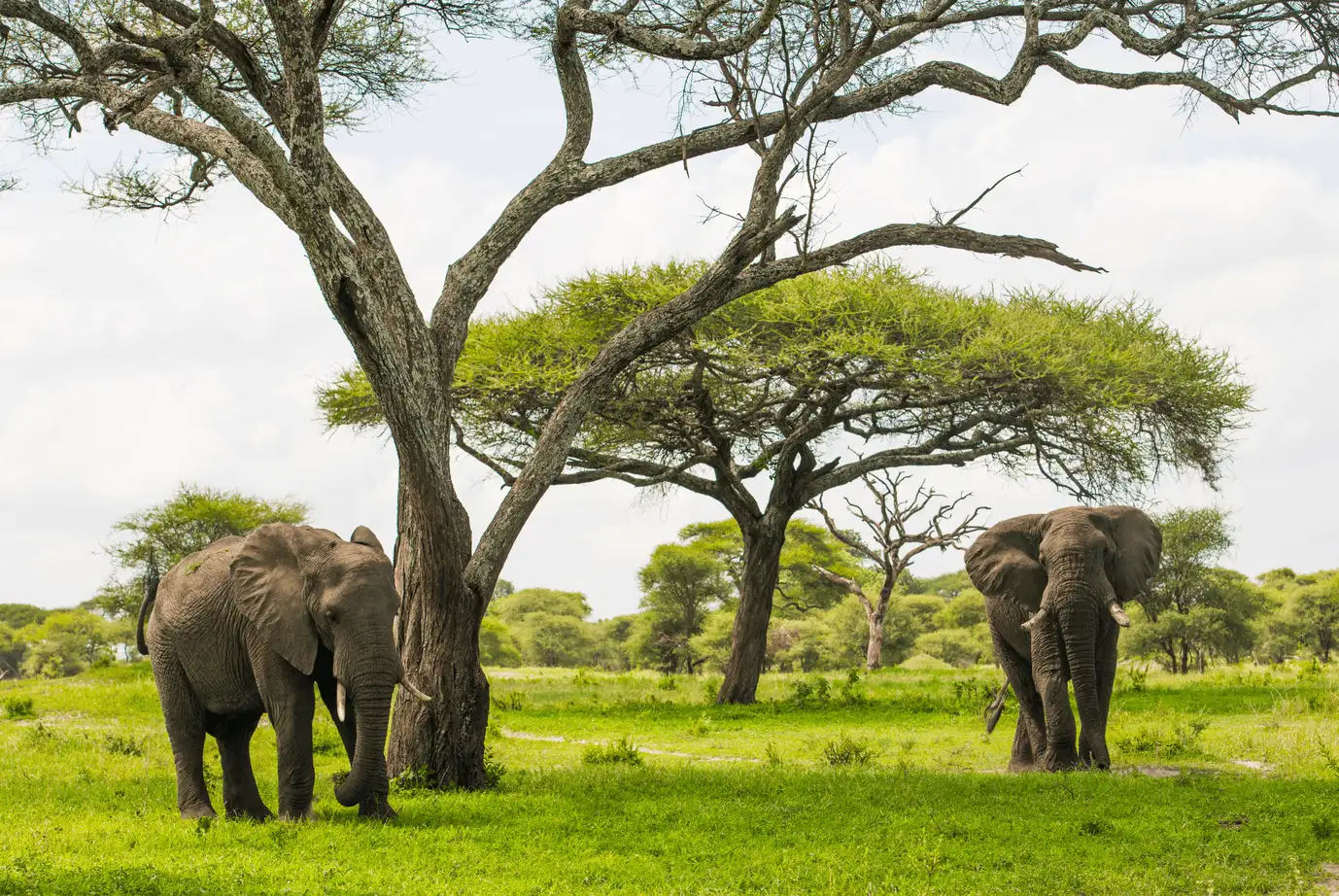
Tarangire National Park is particularly famous for its large elephant population.
Visitors frequently encounter family groups moving across the plains, feeding beneath acacia trees or drinking along the Tarangire River.
During the dry season, several elephant families may gather in the same area, creating spectacular wildlife encounters.
Other commonly observed animals include:
- African elephant
- African buffalo
- Masai giraffe
- Plains zebra
- Wildebeest
- Impala
- Waterbuck
- Warthog
- Eland
- Hartebeest
- Dik dik
- Baboons
- Vervet monkeys
Predators found within the park include:
- Lion
- Leopard
- Cheetah
- Spotted hyena
- Jackal
- Serval
Although predator sightings vary according to location and season, Tarangire supports a healthy predator population because of the abundance of prey.
The park is also associated with several less commonly seen species, making it particularly interesting for experienced safari travellers.
Birdlife in Tarangire National Park
Tarangire National Park is one of Tanzania’s outstanding bird watching safari destinations.
Its combination of river systems, seasonal swamps, woodland and open savannah supports hundreds of bird species.
Bird enthusiasts can search for:
- Ostriches
- Hornbills
- Weaver birds
- Raptors
- Vultures
- Secretary birds
- Storks
- Herons
- Egrets
- Kingfishers
- Lovebirds
- Bustards
- Water birds
The park is particularly rewarding during wetter periods when seasonal wetlands expand and migratory birds arrive.
Bird watching can easily be combined with traditional game drives, making Tarangire an excellent destination for travellers interested in both wildlife and ornithology.
Accessibility and How to Reach Tarangire National Park
Tarangire National Park is easily accessible from Arusha, Tanzania’s main Northern Safari Circuit gateway.
The park is located approximately 120 kilometres southwest of Arusha, depending on the selected route and entrance gate.
Driving from Arusha normally takes around two to three hours, depending on traffic and road conditions.
This makes Tarangire suitable for:
- Day trips from Arusha
- Short Tanzania safaris
- Family safari holidays
- Multi park Northern Circuit itineraries
- Private guided safaris
- Honeymoon safari journeys
Travellers arriving through Kilimanjaro International Airport can stay in Arusha before continuing to Tarangire.
The park can also be reached from destinations such as:
- Lake Manyara National Park
- Karatu
- Ngorongoro Conservation Area
- Serengeti National Park
This makes Tarangire easy to include within broader Tanzania safari itineraries.
Reaching Tarangire by Air
Travellers seeking a quicker or more exclusive journey can use scheduled or charter flights to airstrips serving the Tarangire region.
Fly in safaris are particularly suitable for:
- Luxury travellers
- Honeymooners
- Travellers with limited time
- Premium private safari itineraries
- Safari and Zanzibar holiday combinations
Best Time to Visit Tarangire National Park
Tarangire National Park can be visited throughout the year, but wildlife conditions change dramatically between seasons.
The best time depends on whether your priority is concentrated wildlife, green landscapes, birdlife, photography or quieter safari experiences.
June to October
The dry season from approximately June to October is generally considered the best time for wildlife viewing in Tarangire National Park.
As water sources disappear in surrounding regions, animals gather around the Tarangire River and permanent wetlands.
This period is particularly famous for:
- Large elephant herds
- Concentrated wildlife
- Predator activity
- Excellent photography
- Comfortable safari weather
- Easier wildlife spotting
Travellers visiting during the dry season can often see large groups of elephants, zebras, wildebeest, buffaloes and antelopes within relatively small areas.
November to December
The short rains often begin during this period.
The landscape gradually becomes greener while wildlife starts dispersing into surrounding ecosystems.
Although animal concentrations may be lower than during peak dry season, Tarangire can remain highly rewarding.
Visitors may benefit from:
- Greener landscapes
- Excellent photography
- Fewer safari vehicles
- Interesting birdlife
- Quieter safari conditions
January to February
These months can offer warm weather, green landscapes and rewarding wildlife encounters.
Tarangire can be combined easily with Serengeti and Ngorongoro safari itineraries during this period.
March to May
The longer rainy season usually occurs during these months.
Vegetation becomes lush and green, seasonal swamps fill with water and birdlife becomes particularly impressive.
Some roads may become more challenging, but the green season offers advantages for travellers seeking:
- Dramatic landscapes
- Bird watching
- Lower visitor numbers
- Peaceful safari experiences
- Excellent photography
Common Activities in Tarangire National Park
Tarangire offers several safari experiences suitable for different types of travellers.
Game Drives
Traditional Tarangire game drives are the main activity inside the park.
Visitors explore the park in specially designed safari vehicles while experienced guides search for wildlife and explain animal behaviour, ecosystems and conservation.
Game drives may include visits to:
- Tarangire River
- Silale Swamp
- Baobab landscapes
- Acacia woodlands
- Open savannah
- Seasonal wetlands
Early mornings and late afternoons are particularly rewarding because temperatures are cooler and wildlife tends to be more active.
Elephant Watching
Tarangire is considered one of the best places in Tanzania for observing elephants.
Travellers may witness:
- Elephant family groups
- Mothers with calves
- Bulls feeding around baobabs
- Herds crossing roads
- Elephants drinking along the river
- Social interactions between family members
Spending time quietly observing elephants can become one of the most memorable experiences of a Tanzania safari.
Wildlife Photography
The park provides exceptional opportunities for photographers.
Popular photography subjects include:
- Elephants beneath baobab trees
- Lions in golden grass
- Giraffes against open horizons
- Wildlife gathering around water
- African sunsets
- Birdlife
- Silale Swamp
- Baobab silhouettes
Because Tarangire often receives fewer visitors than Serengeti, photographers may sometimes enjoy longer and quieter wildlife sightings.
Bird Watching
With its extensive bird diversity, Tarangire is highly recommended for Tanzania bird watching tours.
Wetlands, woodland and grasslands provide opportunities to observe both resident and migratory species.
Nature and Scenic Safari Experiences
Tarangire is not only about animals.
The landscapes themselves are an important part of the experience.
Driving among ancient baobab trees, river valleys and distant hills creates a strong sense of wilderness and makes Tarangire particularly suitable for travellers seeking scenic safari photography.
Accommodation Options in Tarangire National Park
Tarangire offers accommodation options ranging from luxury safari lodges to intimate tented camps and budget friendly properties outside the park.
Luxury Safari Lodges
Luxury lodges provide high levels of comfort in beautiful wilderness settings.
Common facilities may include:
- Spacious suites
- Private verandas
- Swimming pools
- Fine dining
- Scenic viewpoints
- Lounge areas
- Personalised safari services
Luxury properties are ideal for:
- Honeymoon safaris
- Anniversary trips
- Luxury Tanzania holidays
- Private family safaris
- Special celebrations
Luxury Tented Camps
Luxury tented camps combine traditional safari atmosphere with modern comfort.
Guests can enjoy the feeling of sleeping close to nature while still benefiting from comfortable beds, private bathrooms and high quality service.
Common features include:
- En suite safari tents
- Private decks
- Bush dining
- Campfire areas
- Guided wildlife activities
- Views over plains or river valleys
Mid Range Safari Camps
Mid range lodges and tented camps provide a comfortable safari experience while maintaining good value.
These properties are popular among couples, families and small groups seeking quality accommodation without selecting ultra luxury options.
Budget Accommodation and Campsites
Travellers seeking affordable safari packages can choose:
- Public campsites
- Budget lodges
- Simple tented camps
- Accommodation outside the park
These options make it possible to experience Tarangire while controlling overall safari costs.
Accommodation Outside Tarangire
Several lodges and camps are located outside the national park in surrounding wildlife areas.
These properties can provide beautiful landscapes, relaxing environments and convenient access to the park.
Some travellers prefer staying outside park boundaries because it may allow access to additional activities depending on the property and local regulations.
Combining Tarangire With Other Tanzania Safari Destinations
Tarangire National Park combines perfectly with other attractions along Tanzania’s Northern Safari Circuit.
Popular combinations include:
- Tarangire and Serengeti National Park
- Tarangire and Ngorongoro Crater
- Tarangire and Lake Manyara National Park
- Tarangire and Arusha National Park
- Tarangire and Lake Eyasi
- Tarangire and Mount Kilimanjaro
A classic Northern Tanzania safari may begin in Arusha, continue to Tarangire and Lake Manyara, explore Ngorongoro Crater and finish in the Serengeti.
Travellers can also continue to Zanzibar after their safari for several days of relaxation beside the Indian Ocean.
This creates a perfect Tanzania safari and Zanzibar holiday combining wildlife, landscapes, culture and tropical beaches.
Why Visit Tarangire National Park
Tarangire National Park deserves a place on any well planned northern Tanzania safari.
The park offers:
- Some of Tanzania’s best elephant viewing
- Beautiful ancient baobab trees
- Excellent dry season wildlife concentrations
- Large numbers of giraffes, zebras and antelopes
- Rewarding lion and predator sightings
- Outstanding bird watching
- Scenic river and swamp ecosystems
- Excellent safari photography
- Fewer crowds than some major safari parks
- Luxury and mid range accommodation options
- Easy access from Arusha
- Excellent combination with Serengeti and Ngorongoro
For travellers searching for a quieter safari filled with wildlife and unforgettable landscapes, Tarangire provides an exceptional experience.
Plan Your Tarangire Safari With Tansania Toll Safaris
There is something unforgettable about watching a herd of elephants emerge from beneath ancient baobab trees while the evening sun turns the Tarangire landscape gold.
This is a safari destination where the wilderness feels spacious, peaceful and beautifully authentic.
At Tansania Toll Safaris, based in Arusha, Tanzania, we create personalised Tarangire National Park safari tours designed around your travel style, schedule, accommodation preferences and budget.
Whether you are planning a Tarangire day trip from Arusha, a luxury Northern Tanzania safari, a family wildlife holiday, a honeymoon adventure or a complete Serengeti and Ngorongoro itinerary, we can design your journey to showcase the best of Tanzania.
Your Tarangire safari can include:
- Private safari transportation
- Professional Tanzania safari guides
- Full day and multi day game drives
- Carefully selected safari lodges and tented camps
- Wildlife photography experiences
- Bird watching opportunities
- Airport transfers
- Serengeti safari extensions
- Ngorongoro Crater extensions
- Lake Manyara safari combinations
- Cultural experiences
- Mount Kilimanjaro extensions
- Zanzibar beach holiday combinations
From the enormous elephant herds along the Tarangire River to the silent silhouettes of baobab trees beneath an African sunset, every journey through this park reveals another side of Tanzania’s extraordinary wilderness.
Travel with Tansania Toll Safaris and discover Tarangire National Park, where ancient landscapes, powerful wildlife and timeless African beauty come together to create a safari you will never forget.
Your Tanzania Adventure Is Closer Than You Think
Let Us Create Your Perfect Tanzania Safari
Your dream of exploring Tanzania can begin with one simple conversation. Tell us when you would like to travel, how many people will join you and the experiences you hope to enjoy. Our safari specialists will prepare a personalized Tanzania travel proposal based on your interests, preferred accommodation, travel duration and budget. Whether you are planning a Serengeti wildlife safari, a Kilimanjaro climbing adventure, a romantic honeymoon, a family holiday or a complete Tanzania safari and Zanzibar beach experience, we are ready to guide you through every step of the planning process. Contact Tansania Toll Safaris today and begin creating a journey filled with wildlife, discovery, comfort and unforgettable African moments.
Read Reviews

Follow us
- Tansania Toll Safaris
- @tansaniatollsafaris
- Tansania Toll Safaris
- +255 765 148 724
- +255 765 148 724
- sales@tansaniatoll-safaris.de
- Arusha, Tanzania
We Accept